
Gov’t Urges Tourism Growth That Benefits Upcountry Communities
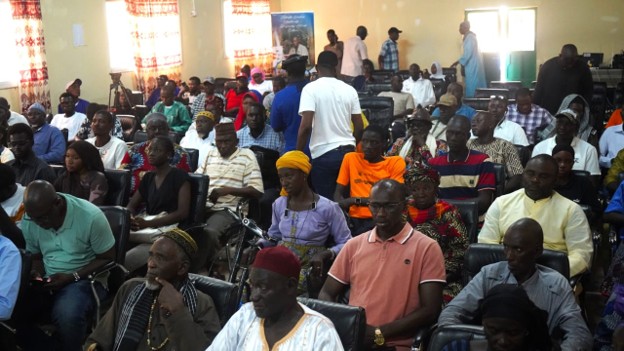
The Government of The Gambia has called for a new approach to upcountry tourism development that prioritises meaningful economic benefits for local communities rather than focusing solely on increasing visitor numbers.
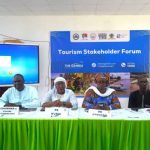
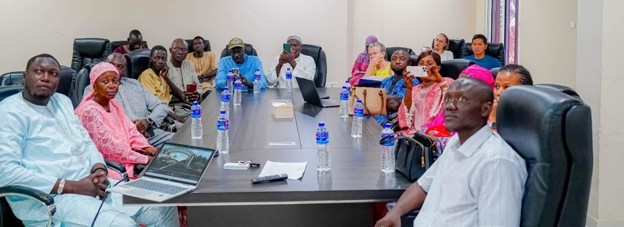
The call was made during the upcountry Tourism Stakeholders Forum held in Basse, Upper River Region (URR), as the Gambia Tourism Board (GTBoard), in collaboration with the Ministry of Tourism, Arts and Culture (MOTAC), intensified consultations with tourism stakeholders across the country.
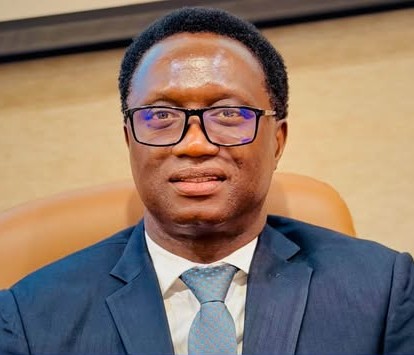
Opening the forum, Permanent Secretary of MOTAC Amie Njie said the engagement demonstrated the government’s commitment to harnessing the potential of upcountry tourism as a driver of inclusive growth, cultural preservation and sustainable development.
She noted that much of the country’s tourism activity had traditionally been concentrated along the coastal tourism belt, although the coast remained an important pillar of the national economy.
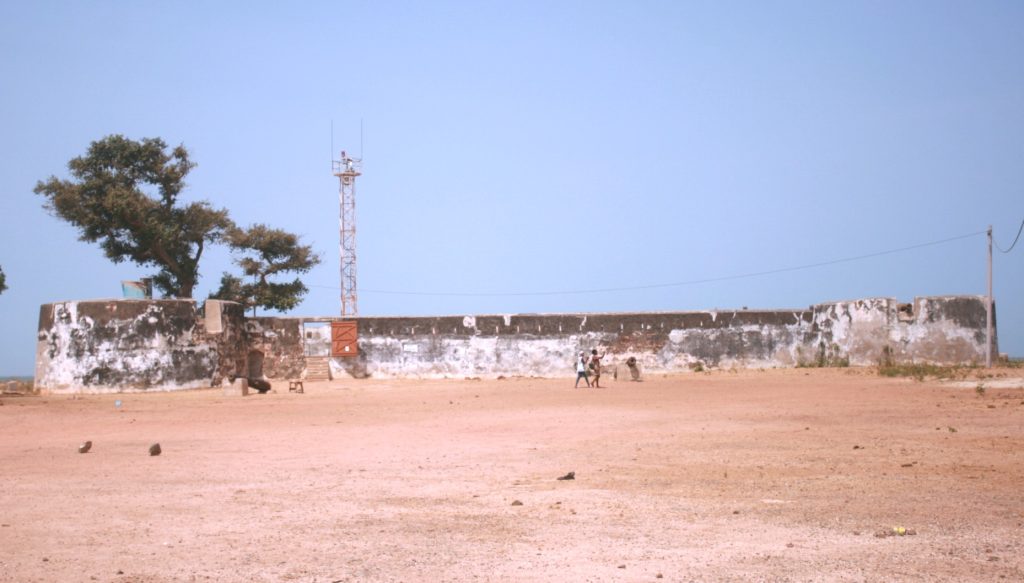
She said there was considerable scope to expand tourism opportunities to other parts of the country, particularly the URR, which possesses natural, cultural and historical assets capable of offering visitors authentic experiences while creating opportunities for local communities.
“The challenge before us today is how to transform these resources into sustainable tourism products that generate employment, support local businesses, preserve our heritage and improve the livelihoods of our people,” she said.
“Consequently, the challenge should not simply be to increase the number of visitors travelling in URR. Rather, we must ensure that tourism development creates meaningful economic benefits for our local communities while protecting the resources on which tourism depends,” she said.
She said developing upcountry tourism could create new sources of income, encourage entrepreneurship among women and young people, strengthen local value chains and promote the preservation of cultural and natural heritage.
GTBoard Director General Ida Jeng-Njie similarly urged communities in the URR to take ownership of their tourism stories and work with tourism authorities to develop distinctive products that would differentiate the region from other destinations.
She said The Gambia’s tourism story was not limited to the coastal area, noting that every region had its own culture, history and story to tell.
“The culture inland is rich. The culture inland is different. The culture inland tells a different story. Everybody, every region has a story to tell,” she said.
Jeng-Njie said the URR was blessed with cultural, traditional and historic sites, community landscapes and rich heritage that could contribute to the diversification of the national tourism product.
“You should tell your own story. Do not allow anybody to tell the story for you,” she said, adding that GTBoard was ready to work with communities to develop and promote those stories.
She further emphasised that communities must not remain spectators as tourism expands inland but should become active participants and beneficiaries.
According to her, tourism has links with agriculture, fisheries, trade, transport, hospitality, cultural enterprises and other sectors, making it a shared responsibility.
“Tourism is not just tourism’s business. Tourism is everybody’s business,” she said.
Chairman of the GTBoard Governing Body, Momodou Bamba Saho, said the consultation was intended to enable the Board to listen to the experiences and priorities of stakeholders in the URR and translate their concerns into practical recommendations.
He identified Basse’s position as a centre of trade and exchange, the river and surrounding countryside, and the region’s cultural traditions as opportunities for developing experiences that could attract visitors.
Saho said improved roads, bridges and energy infrastructure had created more favourable conditions for tourism businesses, but stressed the need to develop compelling reasons for visitors to travel inland and stay longer.
He pointed to local food, music, crafts, oral histories, rural hospitality and river-based experiences as potential components of the region’s tourism offering.
He also stressed that women and young people should have opportunities to own and develop tourism-related businesses, while communities should participate from the outset in planning tourism activities and sharing their benefits.
Meanwhile, Dauda Nyang, Senior Expert on Tourism and Industries at the International Trade Centre (ITC) Gambia, said the organisation was implementing a five-year nationwide project under the Ministry of Tourism and Culture to support tourism and media industries.
He said the project was engaging stakeholders to understand their initiatives and identify areas where further support could be provided. He cited ITC’s previous support to Safra, a major festival in the ECOWAS region, as an example.