
Tourism Development Must Benefit Rural Communities
By Yunus S Saliu
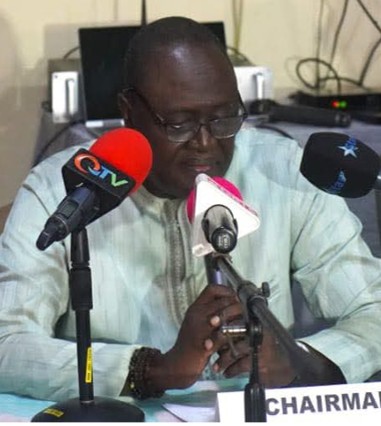
The Gambia Tourism Board (GTBoard) governing body chairperson, Momodou Bamba Saho, has called for tourism development in the North Bank and other regions across the country to translate into tangible benefits for local communities, stressing the need for greater community participation in tourism planning, ownership and economic opportunities.
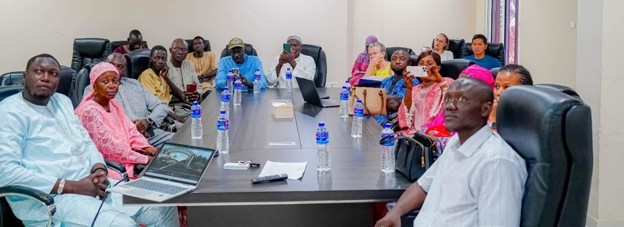
Speaking at a stakeholder engagement held at Dembo Hall in Kerewan, NBR, on Monday, he said the North Bank has considerable potential for sustainable tourism development, particularly because of its internationally significant cultural and historical heritage.
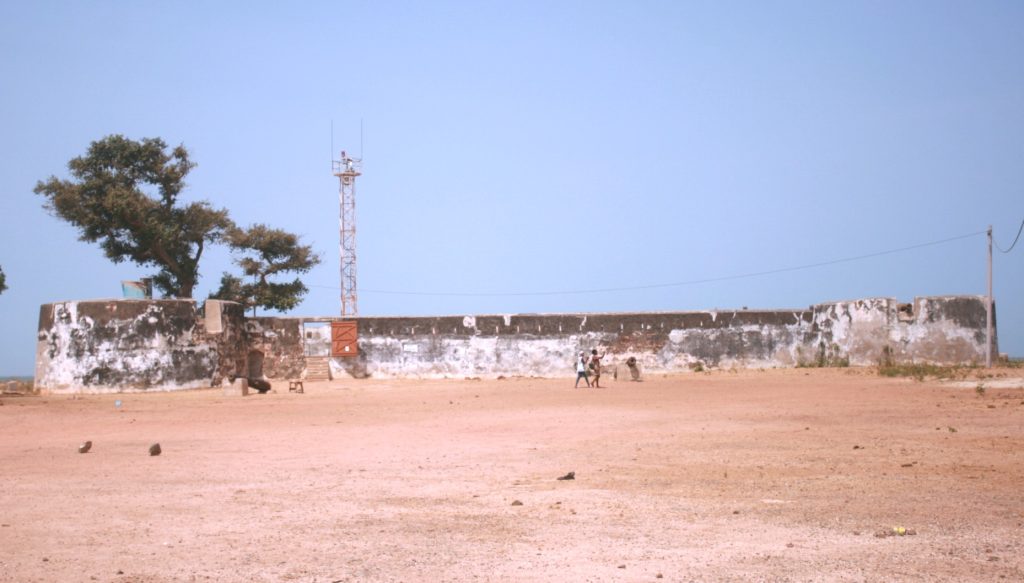
The region hosts major heritage attractions including Albreda, Jufureh, Kunta Kinteh Island and Fort Bullen, which connect The Gambia to a history of international significance.
The chairperson said these heritage sites, combined with the region’s river landscapes, cultural traditions and hospitality, provide opportunities to diversify the country’s tourism offering beyond the traditional coastal tourism areas.
He noted that improvements in transportation and electricity infrastructure were also helping to make tourism attractions more accessible and creating better conditions for tourism businesses and development across the region.
According to him, these assets could encourage visitors to explore more of The Gambia, stay longer and spend more within local communities.
However, he stressed that tourism development also comes with responsibilities, including preserving the country’s heritage, respecting community life and protecting the environment.
The chairperson went on to note that the success of tourism should be reflected in opportunities for local tour guides and boat operators, craft producers, food vendors, farmers, fishermen, women and young people.
Meanwhile, he encouraged Gambians, including those in the diaspora, to explore and appreciate more of their own country.
The stakeholder engagement, he said, was intended to strengthen collaboration among tourism stakeholders, identify tourism opportunities and attractions across the region, understand challenges affecting their development and promote community-based tourism.
He said the process would also seek to give communities a stronger role in determining tourism priorities and identifying projects that could be developed according to available resources.
“We are here to listen to you,” he said, urging participants to openly share their knowledge, ideas, challenges and priorities without fear or hesitation.
He said local communities understand their own areas better and should therefore play a central role in identifying what makes each destination unique and what needs to be done to develop it.
He, therefore, reaffirmed the Board’s commitment to working with the Ministry of Tourism, Arts and Culture, regional authorities, local communities and other stakeholders to develop a tourism sector that reflects the diversity and character of the entire country.
He said the ultimate objective was to ensure that tourism itineraries encourage visitors to travel beyond the traditional tourism zones and discover the wider Gambia.