


NCAC Secures $70,000 Grant From ICCROM To Safeguard Fort Bullen Against Climate Change
By Yunus S Saliu
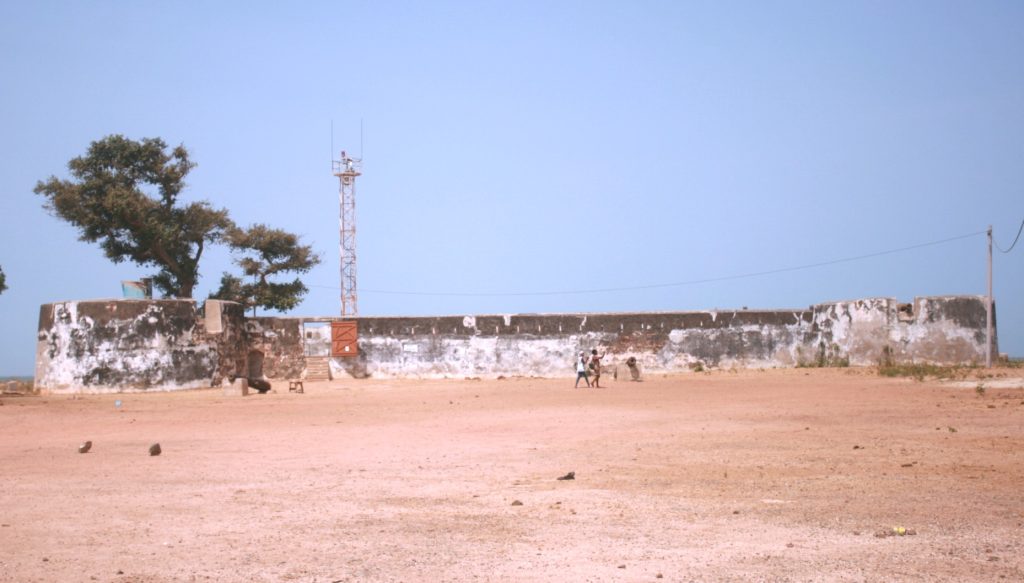
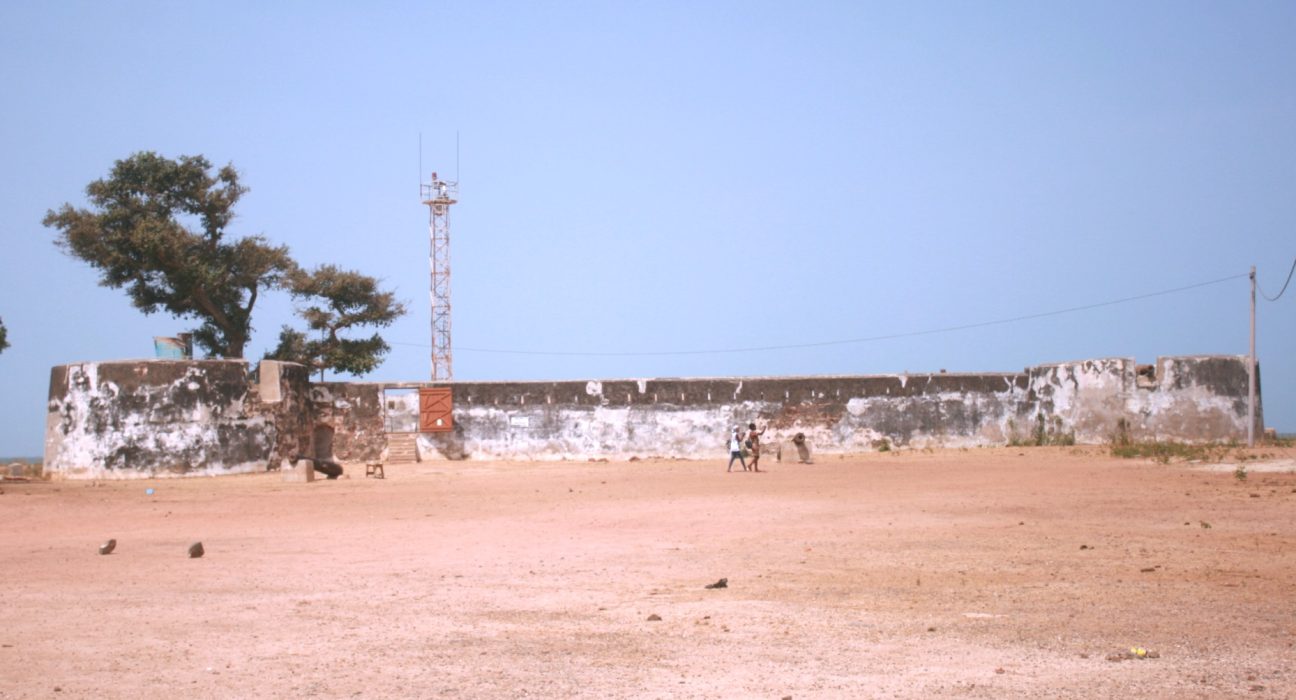
The National Centre for Arts and Culture (NCAC) has secured a US$70,000 grant from the International Council on Monuments and Sites (ICCROM), a branch of UNESCO, to safeguard Fort Bullen at Barra, one of the UNESCO World Heritage Sites in The Gambia. The ICCROM project is called ASILI: An Iteration of Net Zero Heritage for Climate Action In Africa.
Alongside The Gambia, the 30-month initiative, titled ASILI: An Iteration of Net Zero Heritage for Climate Action in Africa, brings together heritage sites and institutions from Egypt, The Gambia, Madagascar and Mauritius to address the growing threats posed by climate change to cultural heritage.
The participating sites face various environmental challenges, including droughts, floods, cyclones, rising sea levels, coastal erosion and biodiversity loss. Fort Bullen is among the two sites involved in the initiative that are recognised as UNESCO World Heritage Sites.
The project is being implemented through heritage institutions, with technical and financial support from international heritage partners under the First Aid and Resilience for Cultural Heritage in Times of Crisis initiative, in collaboration with Youth Heritage Africa (YHA).
Speaking on the project, Hassoum Ceesay, Director General of the NCAC, described ASILI, a Swahili word meaning hope, as an important opportunity to strengthen the protection of Fort Bullen against the growing effects of climate change.
He explained that the project seeks to reduce climate-related risks and improve the conservation of the historic fort through tailored strategies covering disaster risk management, climate adaptation and peacebuilding.
DG Ceesay emphasised that securing the project was highly competitive, noting that NCAC staff had spent more than two years working on the initiative with support from international heritage experts.
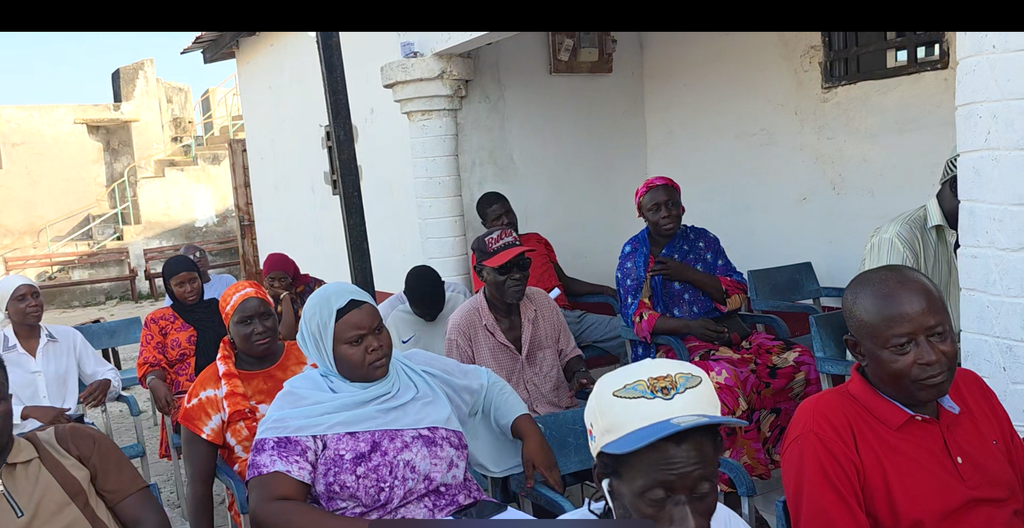
He said the centre had already begun collaborating with the Barra community to undertake baseline studies examining the history and significance of Fort Bullen, as well as the environmental challenges threatening its long-term preservation.
These include coastal erosion, particularly given the fort’s location along The Gambia’s low-lying coastline, the loss of vegetation, and declining biodiversity.
He emphasised that the economic activities and livelihoods of the surrounding community would also form an important component of the project, ensuring that local people remain part of the conservation process and benefit from its outcomes.
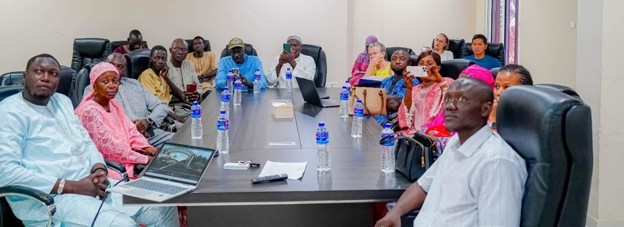
Meanwhile, Mamat Sallah, Director of Cultural Heritage at NCAC and the project’s focal person, said baseline studies and community consultations had commenced to gather local knowledge and identify practical ways of addressing climate-related challenges affecting Fort Bullen.
According to him, the consultations brought together different groups within the Barra community, including fishermen, farmers, young people, elders, women and local tour guides.
He explained that the engagements were designed to obtain first-hand information about environmental changes along the coastline and understand the experiences of people whose livelihoods and daily activities are closely connected to the historic site.
Beyond community consultations, the NCAC has also engaged relevant government institutions, including the National Disaster Management Agency (NDMA) and the Ministry of Fisheries, alongside other public-sector stakeholders, to obtain technical contributions towards addressing the climate challenges facing the fort.
The project is expected to strengthen the long-term protection of Fort Bullen, which marks its 200th anniversary this year, while creating opportunities for the surrounding community to benefit from heritage conservation and tourism-related activities.
However, Hassoum Ceesay said an information centre has been established, while community tour guides have been trained to improve visitor engagement and interpretation of the site’s historical significance.
Additionally, support through the MSGE project is being provided towards establishing and improving sanitation facilities at the fort, to make visits more comfortable for tourists and other visitors.
The ASILI initiative therefore represents an important step towards strengthening the resilience of Fort Bullen, preserving its historical significance and ensuring that the heritage site remains an enduring symbol of The Gambia’s cultural identity, he noted.