

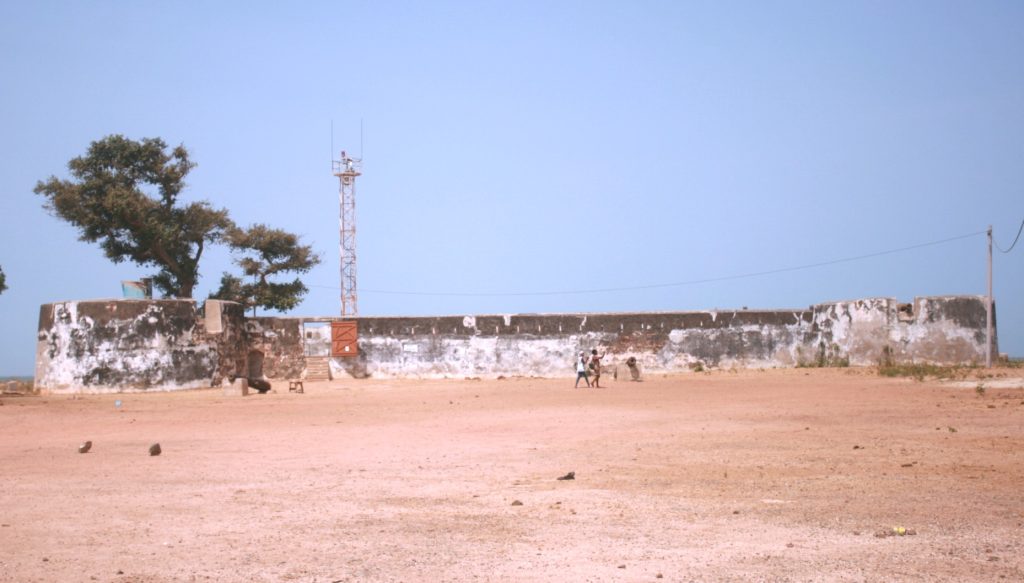
Archaeologists Unearth 250–300-Year-Old Human Skeleton In Nianija
By Yunus S Saliu
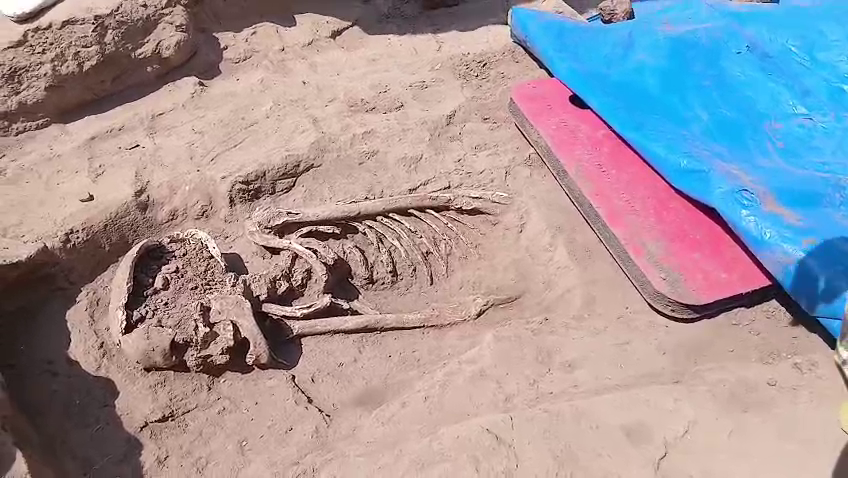
An archaeological expedition jointly conducted by the National Centre for Arts and Culture (NCAC) and the University of Geneva, Switzerland, has unearthed a remarkably well-preserved human skeleton estimated to be between 250 and 300 years old in Nianija District, Central River Region (CRR).
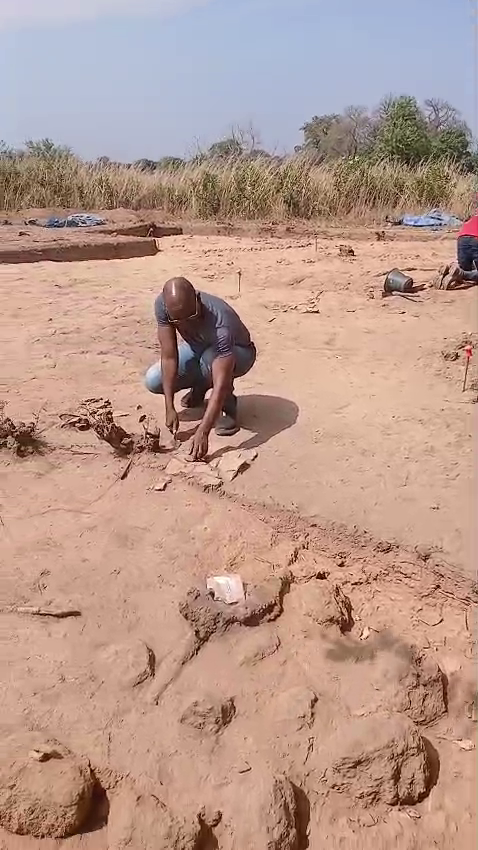
The discovery was made last week during an excavation on elevated ground near Sangule village under the University of Geneva’s HOME Project, which has been collaborating with the NCAC to investigate the history of human habitation around Nianimarou and Sangule over the past three years.
According to the archaeological team, the skeleton was discovered buried within the courtyard of a compound. Remarkably, it was found intact, with the skull and other skeletal parts still in place, making it a significant discovery for the ongoing archaeological investigation.
Dr Adrian Delvoye, leader of the archaeological team, said preliminary assessments suggest that the remains could date back between 250 and 300 years.
However, further scientific investigations, including laboratory testing and carbon dating, will be conducted to establish the skeleton’s age more conclusively.
The discovery adds to a growing body of archaeological evidence emerging from the area, where researchers have identified several traces of human habitation, including ancient settlements that have remained buried beneath the soil for centuries.
The community has been informed about the discovery, and appropriate consultations have taken place regarding the individual whose remains were found. Excavation and scientific investigations at the site are continuing.
The Chief of Nianija District, Dawda York, visited the excavation site and expressed appreciation for the work being undertaken by the archaeologists to uncover and document the country’s history.
He encouraged the research team to continue its work, noting the importance of archaeology in deepening understanding of The Gambia’s past and contributing to the development and preservation of Gambian culture.
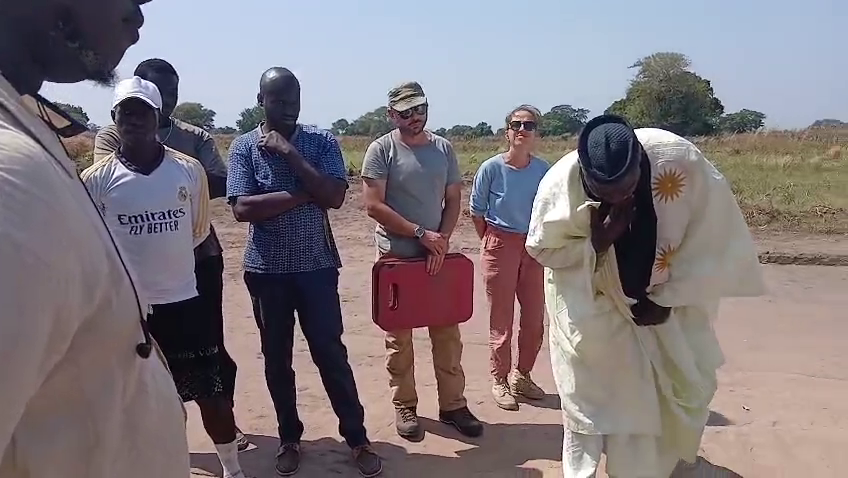
Also present at the site was Hassoum Ceesay, Director General of the NCAC, who expressed satisfaction with the outcome of the collaboration between his institution and the University of Geneva.
He described the discovery as significant archaeological information that would contribute to a better understanding of the country’s history, much of which remains undocumented and buried beneath the ground.
DG Ceesay observed that more than 60 per cent of The Gambia’s history is still buried underground, stressing that archaeology remains one of the most important means of retrieving this largely unexplored aspect of the nation’s historical experience.
He said the NCAC would continue to strengthen partnerships with relevant institutions to develop a comprehensive archaeological resource map of The Gambia.
He further highlighted the importance of building local capacity, revealing that the collaboration with the University of Geneva would also support the training of more NCAC personnel in basic archaeology. This, he said, would equip them with the necessary skills to identify, document, protect and utilise archaeological discoveries for national development.
He added that the ongoing research in Nianija is providing valuable insights into the settlement patterns and historical experiences of communities in the area, while demonstrating the importance of scientific archaeological investigations in recovering aspects of Gambian history that have yet to be fully explored.
Meanwhile, he noted that the discovery of the skeleton is therefore another important milestone in the continuing efforts to uncover, document and preserve the country’s archaeological and cultural heritage.