



Esther Morgenthal Elaborates On Documentation Of Material Culture
By Yunus S Saliu
One of the scholars at the just-concluded Oral History International Symposium – Gambian Cultural Heritage goes digital said the aim of documenting material culture is to obtain information about the artifact, its mode of production, and the cognition of its producers and consumers.
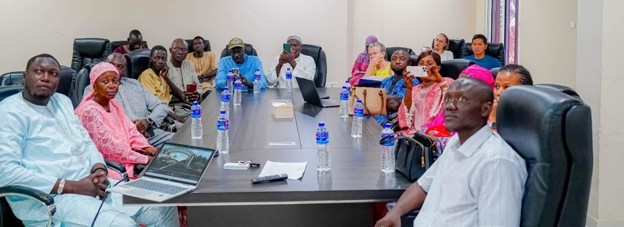
The symposium, focused on artifact production and use, was held at the Senegambia Beach Hotel in The Gambia.
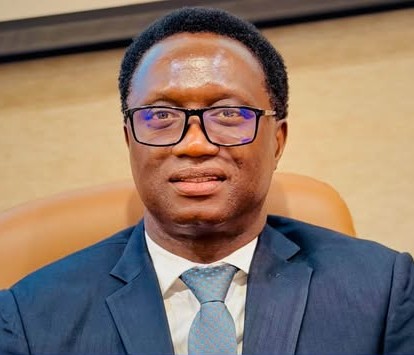
Esther Morgenthal of the University of Hamburg, a researcher and educationist, said it is important to document from the producer’s perspective (also called the emic perspective), and that “documentation and analysis of linguistic terms is an important part of this.”
The researcher outlined some documentation techniques, which include interviews, filming, photos, and mixing the methods she said can be beneficial, and “after the filming process there is a need to analyse material, which is transcription and translation of interviews concerning material culture, production process, artifacts, cognition.”
She also explained that metadata in the documentation of material culture is important while investigating material culture, and she described this metadata as “additional data that can provide comprehensive and accurate information about the subject of the research.”
Still, on the metadata she expatiated on the various standards for metadata and its importance, saying Dublin Core Metadata is used for uploading data to websites, storing it digitally, and “let’s remember the movie: where was it created – country, region, village, geo-tagging; when was it created – date; who was filmed – name, family name, age, social status of the group, status of the person; who filmed/rights on material – who has rights on the filmed material; which languages are involved – language of the area, the language the person speaks.
“So, having your data, your analysis, and your metadata, then you are ready for storage/presentation, Museum, exhibition, presentation: possibility of providing metadata digitally (QR code), digital storage for academic use,” she explained.
The National Centre for Arts and Culture (NCAC) and its German partners, the University of Hamburg and the Gerda Henkel Foundation, for the digitizing project of the oral archives of The Gambia organised the three-day international symposium, and it was held at the Senegambia Beach Hotel, The Gambia.

355betapp
September 7, 2026Downloaded the 355betapp is fast and useful. I love it!