


Tambasangsang Fort And Krisikunda Old Settlement: Two Forgotten Heritage Sites in URR Seek New Life Through Restoration
By Yunus S Saliu
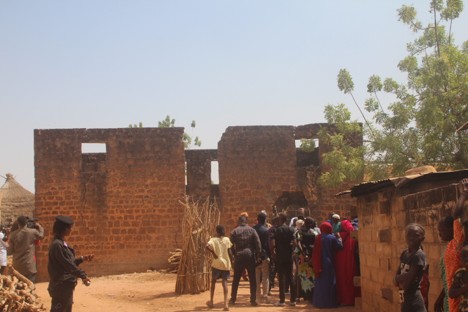
Two historic sites in the Upper River Region (URR), Tambasangsang Fort in Tumana and the Krisikunda Old Settlement in Kantora, need urgent conservation and restoration to preserve their place in The Gambia’s history and potentially develop them into cultural tourism attractions.
Both sites have been abandoned for many years, leaving their historic buildings exposed to deterioration and gradually losing their original character.
Yet, with proper restoration and preservation, the sites could offer visitors a rare opportunity to explore some of the lesser-known chapters of The Gambia’s colonial, educational and religious history.
There is also potential for the Gambia Tourism Board (GTBoard), in collaboration with the National Centre for Arts and Culture (NCAC), to incorporate the two sites into the country’s tourism marketing portfolio as part of a broader partnership to promote heritage tourism beyond the traditional coastal destinations.
Tambasangsang Fort: A Relic Of The Groundnut Trade
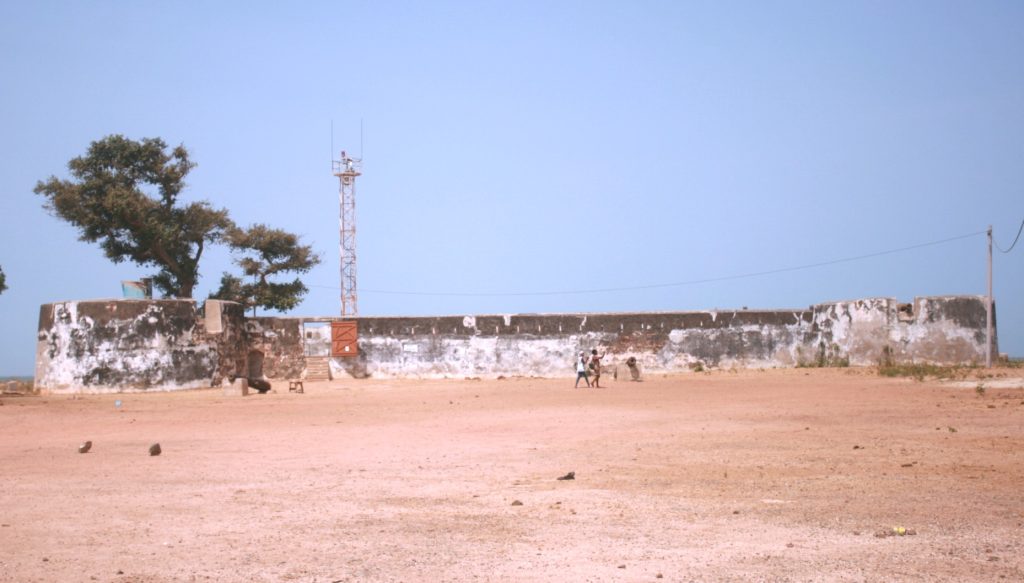
Speaking about the two sites, Hassoum Ceesay, Director General of the National Centre for Arts and Culture and a historian, described Tambasangsang Fort in Tumana as an important historic site and former trading station in the Upper River Region.
He explained that the settlement once served as a significant hub for the groundnut trade during the period when the commodity was central to the colonial economy.
“The area is a riverside settlement, so when river transportation declined, the river trading station also declined with the advent of road transport in the 1960s,” Ceesay explained.
He said Tambasangsang Fort was built during the era of the groundnut boom and is more than a century old.
The decline of river transportation and the increasing importance of roads gradually reduced the commercial significance of the riverside settlement, leaving the historic fort and surrounding structures vulnerable to neglect.
Today, the remains provide an opportunity to tell the story of river-based commerce, colonial-era trade, and the importance of groundnuts to The Gambia’s economic history.
Krisikunda: An Anglican experiment
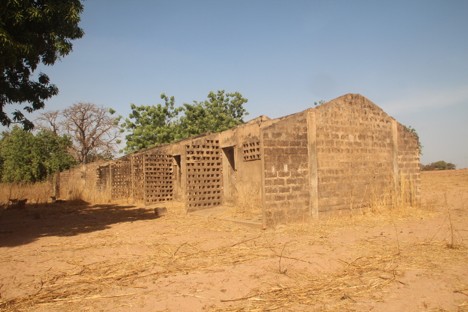
The second site, the Krisikunda Old Settlement, is located in Kantora and has a different but equally significant history.
According to Ceesay, Krisikunda was established by the Anglican Church as an experimental Christian settlement in the Upper River Region.
At the time, Anglican missionaries were working among communities in Fulladu and sought to establish a base from which they could provide education while encouraging the spread of Christianity.
“Krisikunda was established as a self-contained community in 1942 and had a school, farm, animal husbandry, and poultry, among other things,” Ceesay explained. The settlement was intended to demonstrate whether an integrated Christian community could be established in the area, with education and agricultural activities forming important parts of the experiment.
However, the initiative did not achieve the desired results, as the Anglican Church struggled to convince members of the Fulani communities to convert to Christianity or send their children to the school.
Most of the students came from Bathurst, now Banjul, including children whose parents considered them difficult to manage at home. “When the experiment failed, the Anglican Church in England refused to continue the subvention, while the colonial government also refused to assist them,” Ceesay explained. As a result, the settlement was closed in 1948.
A School That Produced Pioneers
Despite the closure, Krisikunda’s educational legacy did not end there.
Ceesay disclosed that the school was revived in the 1950s and subsequently became associated with several pioneering Gambian educators and professionals.
Among those who taught or were associated with the school were Rev. J. C. Faye, Hassan Musa Camara and John Jaw, among others. The school also produced students who later became influential figures in Gambian society, including Professor Njega Senghore and Alhaji M. C. Cham.
Ceesay noted that the institution trained many people who later contributed to the development of Banjul and the wider country.
Its story therefore extends beyond missionary history. Krisikunda represents an important chapter in the development of formal education, teacher training and the emergence of a generation of Gambians who would go on to play significant roles in national development.
Preserving The Memory Of National Development
The historical importance of the two sites is further strengthened by their links to Gambians who contributed to the country’s social and political development.
According to the account, Krisikunda and Tambasangsang are associated with the lives and work of figures such as John Jaw and Hassan Musa, among others, who devoted themselves to national development and the advancement of Gambian society.
Their stories, like those of the sites themselves, reflect an era when public service, education, and community development were pursued under difficult circumstances.
From Neglected Sites To Heritage Attractions
For DTourisphere, the significance of Tambasangsang Fort and Krisikunda Old Settlement lies not simply in their physical remains, but in the stories embedded within them.
Tambasangsang can help visitors understand the history of river transportation, colonial commerce and the groundnut economy that shaped The Gambia for generations.
Krisikunda, meanwhile, offers a window into the history of missionary activity, early education, agriculture and the development of some of the country’s pioneering educators.
Both sites could therefore become valuable additions to The Gambia’s growing cultural and heritage tourism portfolio if properly documented, restored and managed.
Restoration would not only save the remaining structures from further deterioration but could also create new opportunities for local communities through heritage tourism, guiding, cultural interpretation and related economic activities.
At a time when travellers are increasingly seeking authentic experiences beyond conventional beach tourism, preserving places such as Tambasangsang and Krisikunda could help reveal a different side of Destination Gambia, one rooted in history, education, trade, faith and the people who shaped the nation.
These two forgotten sites may have fallen silent, but their stories remain. With the right investment in conservation and interpretation, they could once again become places where Gambians and visitors alike can connect with the country’s past.