


CRAWAH, UTG Research Team Share Adolescent Health Education Findings from 32 Schools and Communities
By Yunus S Saliu
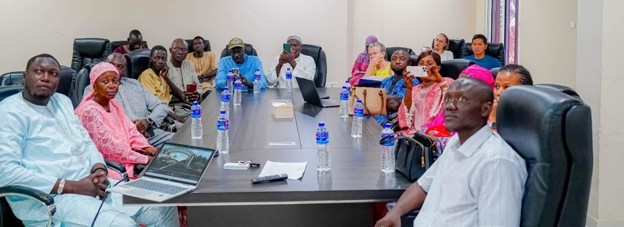
The Comprehensive Health and Sexuality Education (CHSE) Project at the University of The Gambia (UTG), in collaboration with CRAWAH, on Monday, October 26, 2026, held a dissemination forum to share baseline research findings on adolescent health education in the West Coast Region and Upper River Region.
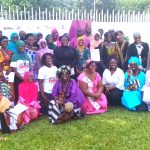
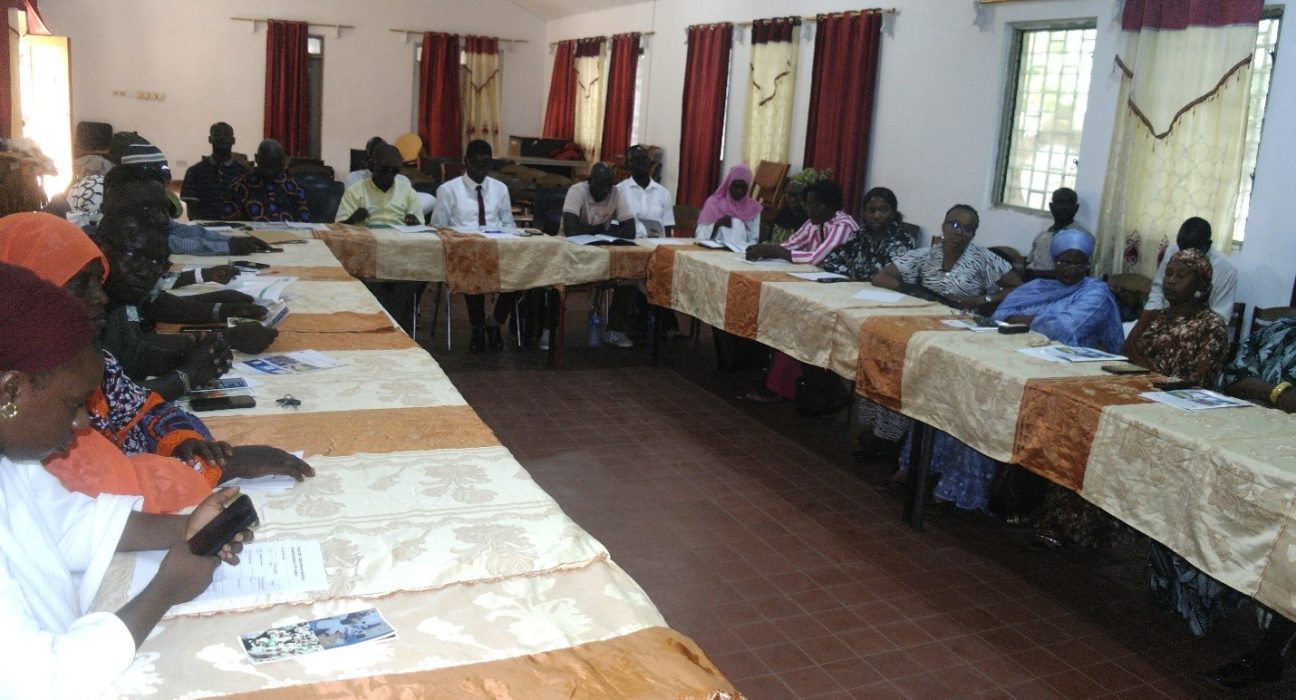
The forum, held at the Regional Education Directorate Hall in Brikama, brought together education officials, school principals, teachers and other stakeholders to discuss the research and identify practical measures to improve health education and support the wellbeing of adolescents.
The study covered 32 schools and communities across the two regions, examining issues related to adolescent sexual and reproductive health knowledge, attitudes and behaviours, access to health information and services, and the role of schools, families and communities in supporting young people.
Speaking at the forum, Phebian Ina Grant Sagnia, co-investigator of the CHSE project, said the research built on a pilot study conducted between 2020 and 2024 in Region One, involving 43 upper basic and senior secondary schools, including public and private institutions.
She explained that the earlier study, conducted in collaboration with the Ministry of Basic and Secondary Education and other stakeholders, paved the way for the project’s expansion into Regions Two and Six, covering both schools and surrounding communities.
Under the current research, the team visited 20 schools and 10 communities in the West Coast Region, as well as 12 schools and six communities in the Upper River Region.
The study involved in-school and out-of-school adolescents, school principals, teachers, parents and guardians, civil society organisations, health workers, and regional education and health authorities. The approach was designed to gather perspectives from both educational institutions and communities to develop a broader understanding of adolescents’ needs and experiences.
Grant-Sagnia said the project was a four-year implementation research initiative funded by the International Development Research Centre, based in Canada, to support evidence-based approaches to adolescent health education.
She emphasised that the dissemination forum provided an opportunity to present the findings to the stakeholders who had supported and participated in the research, allowing them to examine the evidence and recommend appropriate interventions.
According to her, understanding adolescents’ knowledge, experiences and challenges is essential to ensuring that health education responds to their actual needs, including those of young people with special needs.
The research examined sensitive but important issues, including menstruation, unintended pregnancy, sexually transmitted infections, contraceptives, communication, gender-based violence and life skills.
The Co-investigator explained further that the programme builds on the country’s Population and Family Life Education framework, with comprehensive health education providing a broader approach to addressing adolescent health and wellbeing in a manner that is acceptable to different stakeholders.
She called for accurate, age-appropriate and culturally sensitive information to be made available to adolescents both inside and outside school, stressing that improving their health requires cooperation among schools, families, communities and relevant institutions.
Buba Manneh, Principal Education Officer, speaking on behalf of the Regional Education Directorate in Region Two, welcomed the research team and commended its decision to return to the region to share the findings.
He said research-based information could help education authorities and school administrators understand existing challenges and make informed decisions on the way forward.
Manneh encouraged stakeholders to engage critically with the findings and work together to ensure that the research produces meaningful benefits for schools and communities.
Ogis Jatta, an Education Officer from the Ministry of Basic and Secondary Education, also welcomed the collaboration, noting that the ministry had supported the initiative alongside other stakeholders.
She said the findings would help inform the education sector’s response to adolescent health needs, particularly in ensuring that girls and young people are supported and safe within their learning environments.
Jatta reaffirmed the ministry’s commitment to the initiative and thanked the research team and participating schools for their cooperation.
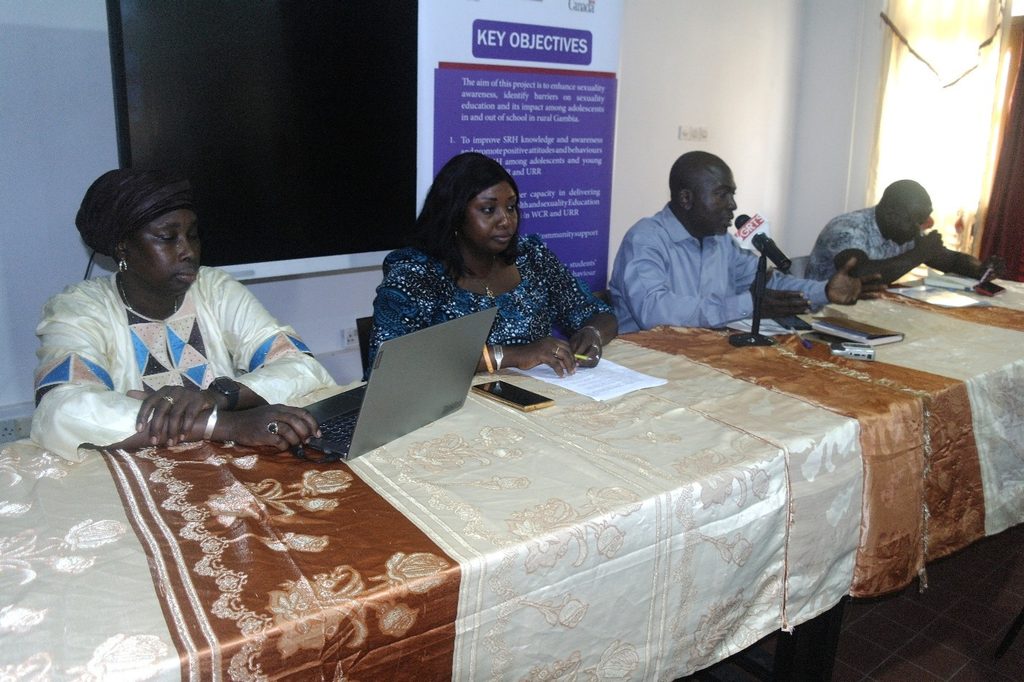
Presenting the research, Associate Professor Jainaba Sey-Sawo, a CHSE investigator, outlined the study’s methodology, baseline assessment and ethical considerations. She explained that the team used both quantitative and qualitative research methods to collect information from adolescents, teachers, healthcare workers, parents and community representatives.
The presentation covered adolescent sexual and reproductive health knowledge, attitudes and behaviours; barriers to health education and service access; educators’ capacity to deliver the programme; parental and community support; social norms; safeguarding; gender-based violence; consent; and referral pathways.
The dissemination forum marked an important step towards translating research evidence into practical action. Following the discussions, the project team plans to engage participating schools to share relevant information with students and obtain their recommendations.
The team also intends to continue engagement in the Upper River Region and complete further school outreach in the West Coast Region, with the aim of strengthening implementation both in and out of school.