



HERitage Connect Empowers Young Women to Preserve Gambian Culture Through Digital Innovation
By Yunus S Saliu
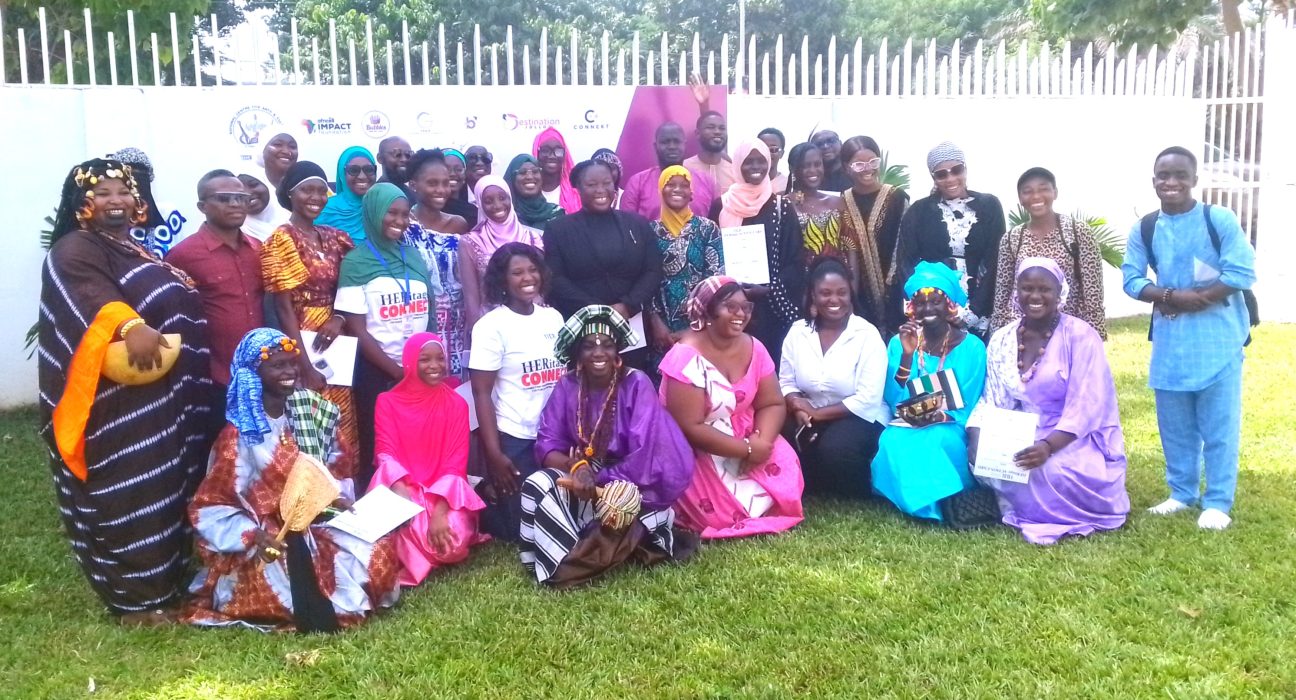
HERitage Connect, in collaboration with the National Centre for Arts and Culture (NCAC), has organised a daylong empowerment programme aimed at equipping young women with the knowledge, connections and skills to contribute to cultural preservation and bring Gambian stories into the digital future.
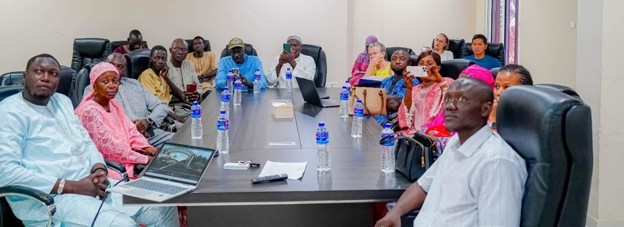
The programme, held on Saturday, October 24, 2026, at the Africell Impact Foundation in Fajara, brought together young women to explore the importance of cultural heritage, intergenerational knowledge-sharing and the use of digital technology in documenting and promoting The Gambia’s rich cultural identity.
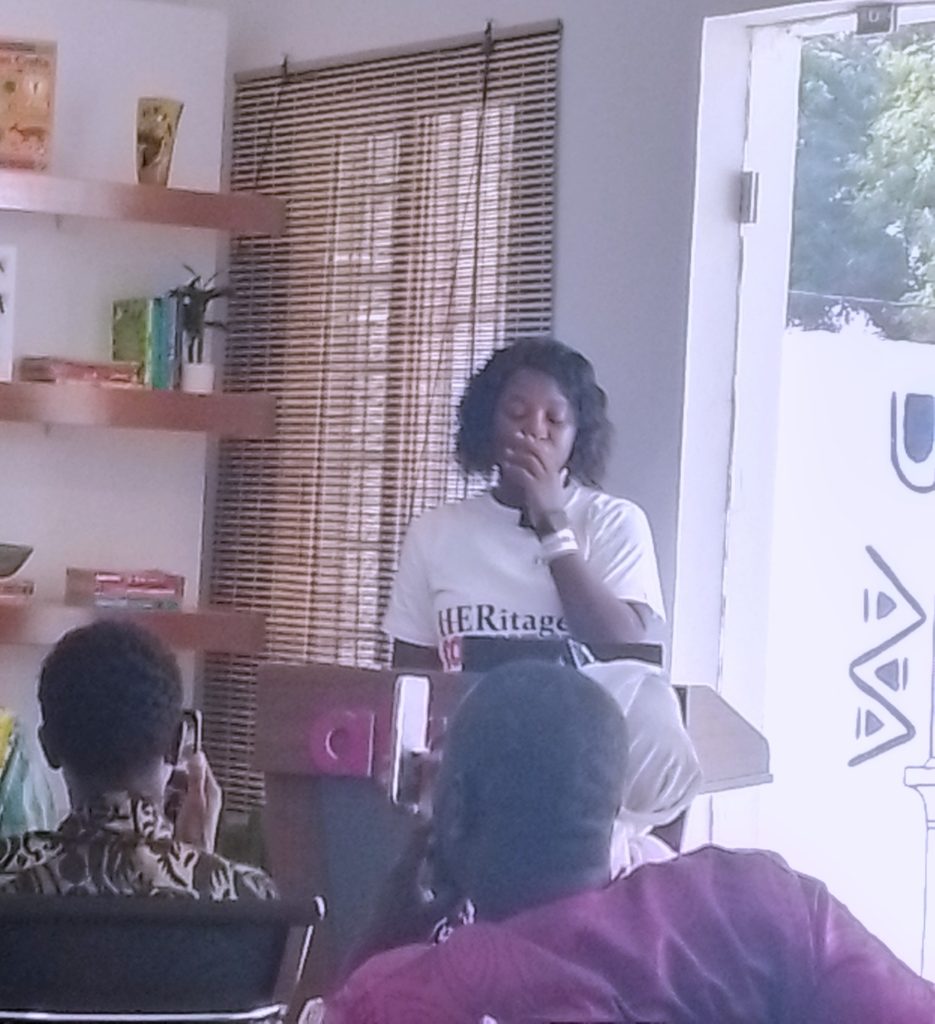
HERitage Connect is a networking and knowledge-exchange initiative that connects girls and young women with heritage professionals, cultural practitioners, researchers and digital creators to encourage their participation in safeguarding cultural heritage.
Speaking at the official opening, Mamat Sallah, Director of Cultural Heritage at the NCAC, emphasised the importance of safeguarding cultural traditions, empowering young people and ensuring that the country’s cultural legacy is preserved for future generations.
He challenged participants to consider what would remain of Gambian culture if elders no longer told their stories, traditional songs were no longer sung, indigenous languages were no longer spoken, and cultural practices were no longer passed down.
The questions, he noted, highlight the responsibility of individuals and communities to actively preserve their heritage rather than assume that cultural traditions would survive without deliberate efforts.
Sallah explained that heritage encompasses far more than historical buildings, monuments and objects displayed in museums. It also includes languages, oral traditions, proverbs, songs, dances, food, traditional craftsmanship and the knowledge passed from elders to younger generations.
In The Gambia, he said, these elements reflect the diversity of communities and provide a connection to the country’s history, values and collective identity.
He stressed that safeguarding heritage does not mean freezing culture in the past but ensuring that living traditions remain relevant and meaningful as society evolves.
According to him, the loss of knowledge held by traditional storytellers, musicians, craftspeople, historians and others could weaken the connection between generations if opportunities were not created for younger people to learn from them.
He therefore called for stronger documentation, education, community participation and direct engagement between young people and cultural knowledge holders.
Also, he emphasised that cultural preservation must be guided by respect for the communities that own and practise the traditions. He noted that consent, cultural protocols and the wishes of knowledge holders should be considered before cultural knowledge is documented or shared publicly.
Meanwhile, he highlighted the opportunities available through digital tools, noting that smartphones and other technologies could help young people record oral histories, document traditional crafts, capture local songs and photograph cultural objects alongside the stories behind them.
Such materials, when properly documented, can reach wider audiences through digital platforms, including Gambians living abroad and international audiences interested in the country’s culture and traditions.
However, he cautioned that digital documentation must go beyond simply recording images and sounds. Understanding the meaning, origins, and cultural context of a tradition, as well as obtaining permission to share it, remains essential.
He, therefore, urged the young women to engage with elders, ask questions and explore the traditions within their families and communities, encouraging them to begin contributing to cultural preservation even before becoming experts.
He commended HERitage Connect for creating a platform that brings young women, heritage professionals, digital skills and innovation together, expressing hope that the discussions would lead to meaningful connections and practical initiatives beyond the programme.
Also speaking at the programme, Brenda BM Conteh, founder of HERitage Connect, reflected on the meaning of heritage, describing it as what people inherit from previous generations, value in the present and choose to pass on to those who come after them.
She explained that heritage includes both tangible elements, such as historical places and physical objects, and intangible elements, including traditions, knowledge, skills and cultural practices.
Brenda encouraged participants to reflect on the heritage they carry through their childhood memories, cultural identities and the stories that have shaped their lives.
She invited them to take a journey back in time by recalling childhood experiences connected to their families, communities or culture, emphasising how such memories can help people recognise and appreciate the traditions worth preserving.
Her message reinforced the importance of personal and community experiences in understanding heritage, particularly among young women who can help document family histories and cultural practices that might otherwise remain unrecorded.
The HERitage Connect empowerment programme underscored the importance of combining cultural knowledge with modern communication tools to strengthen heritage preservation in The Gambia.
Ultimately, the sustainability of Gambian cultural heritage will depend not only on what is inherited from the past but also on the commitment of today’s generation to learn, practise, document and responsibly transmit it.