



A Place You Can’t Go Hungry
By Yunus S Saliu
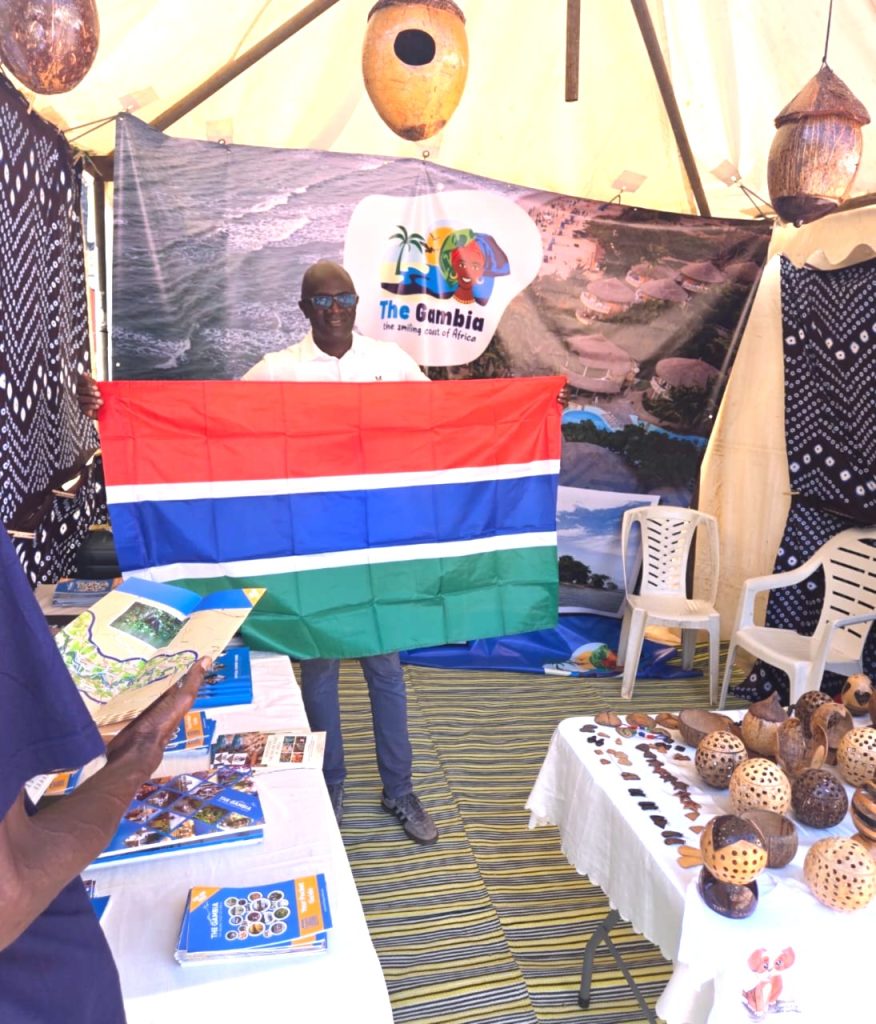
Common Street Food in The Gambia – The Gambia, the Smiling Coast of Africa, is one of the most desirable countries in West Africa where you cannot go hungry no matter how little money you have in your pocket. The country is a destination where everyone lives in peace and harmony.
It is part of The Gambia’s culture to see that everyone eats; whether you have money or not, you must eat, as you don’t need a special invitation to join when you see people gathering to eat in an open place. Feel at home; whether you are known in a family or not, you are part of every family you come across in The Gambia. You can’t go hungry!
The country has numerous tasty foods, local or international dishes, but the best choice of people, especially on the street, is the local cuisine, and most of what is selling in street is more like refreshments but food substitutes. What makes Gambian foods special, aside from the aroma, is the unique ways of preparing them. This is very different compared to other parts of West Africa. Irrespective of the weather conditions, different local delicacies can quickly take care of your hunger wherever you are at any time. Either civil servants, apprentices, businessmen/women, hustlers, school children, or whatever group you categorize yourself, food vendors are accessible everywhere, particularly in the capital city and environs – Banjul, Greater Banjul Area, Brikama, Farafenni, Barra, Basse, at ‘lumo’ (weekly markets) among other places.
But much of the deliberation here is like street refreshment substitutes for main food.
Among the common ones that you can easily find in the streets of The Gambia when it comes to ‘stomach structure’ include, but are not limited to this.
Ebbeh
‘Ebbeh’ – it is a very popular food that you can find in every corner of the country and also on the market side. Despite many people preparing it at home, it remains the number one and most immediately available food everywhere in The Gambia. It is prepared with cassava, palm oil, crab, pepper, fish, and Maggi/jumbo among the top ingredients. Any occasion or party without ebbeh is not a complete celebration; it is just the same thing as tea without sugar. Ebbeh is always sold in a plastic cup, and the sale price starts from D5 upward, as per your request.
Yassa
‘Yassa’ is a refreshing food. There is chicken Yassa, and as well as fish Yassa; both are popular in the streets of Gambia, but the fish Yassa is the most affordable to everyone, as you can have a plate of spicy fish Yassa at D5/7. The capital required for this type of business is minimal, as you can start with D250. You don’t need a special spot to sell, as the front of your house can be your selling point, and your consistency will make it a big Yassa point by growing it gradually, just the same thing as Ebbeh. Meanwhile, fish Yassa is fish roasted over a fire. After washing it you can lace it with salt and jumbo/maggi and place it on the net on top of a fire or grilling pot. It is served on a plate with spice sauce.
Mboha
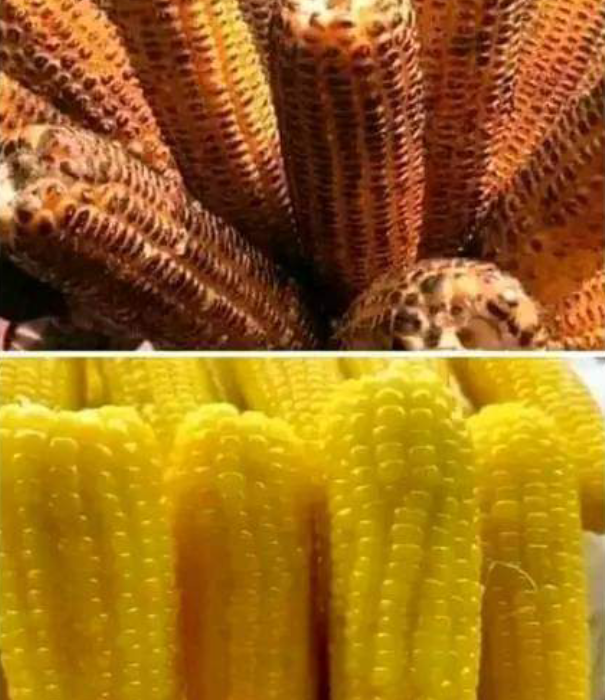
‘Mboha’ – this is corn, and it is more common in The Gambia in summer. It becomes surplus especially just a little after the end of the rainy season. It is a snack that everyone can quickly buy to suppress hunger, be it roasted or cooked, though the roasted ones are the most common in the streets and probably preferable to some people. But one thing you will discover if you are from the hinterland is that the taste of corn you eat there might be sweeter or tasty compared to the one you will eat in the city because those are freshly cut from the farm while you eat late arrival in the city.
Tio
‘Tio’ – known as groundnut is used for different varieties across The Gambia. The planting starts at begin of the rainy season. In the Smiling Coast of Africa, people don’t joke with groundnut, as everyone chews them raw, cooked, or roasted. It is also one of the cash crops that farmers never joke with, even the Ministry of Agriculture. Check the table in front of you as you walk along the street; you will find some roasted groundnut tied in cellophane nylon. The wheelbarrow pusher selling along the streets sells the raw ones. The cup prices range from D10, D15, and D25 upward, all depending on your choice.
Popcorn
Popcorn is one of the recently popular refreshments that takes over the streets very fast. Gone are the days you buy popcorn only from the supermarket but nowadays popcorn is sold like hot cake in nook and cranny of the streets – bus stops, a short distance of school gates, and markets among other places. Look at the large queuing in West Field or by your side; it is a popcorn machine they are surrounding. It is not just children alone but adults and corporate guys, including waiting for their pack. You might not understand until you join the queue to get a full pack at D5. It is yummy!
Watermelon
Watermelon is not just a fruit for everyone, but we can take it as food; many people eat it as they are walking along the street, not just for refreshment purposes but to quickly suppress hunger and quench their thirst. It is the reigning fruit from midsummer to winter in The Gambia. The planting starts at the beginning of the rainy season and becomes surplus across the country sooner than you can think of. Hawkers slice it into pieces and sell it at D5 per slice, while a minimum full ball of it can be sold at D25. Sometimes it gets spoiled when there is an influx of it, especially when supply is more than demand and also when sellers are stiff with the selling price.
Tangana
‘Tangana’ is a twenty-four-hour kiosk where you can quickly buy food like bread and omelets, cooked spaghetti, beans, and potatoes with a cup of tea/coffee to end your hunger. In some areas, you will see a small kiosk where benches are arranged. It is illuminated with a bulb to brighten the dark areas when it is dark at night. Beside the kiosk, you will find a pot full of water on the fire, a refrigerator for preservation, and a small stove to fry eggs and meats, while the operator is always on standby to attend to his/her customers. It is mostly operated by some non-Gambians known as hustlers; sometimes the big ones at the big garages are operated by a husband and wife, but now Gambians are getting involved in the sales. Those people who operate tangana have no opening or closing time. They go to bed or take a nap when customers stop coming, but the more they keep knocking on their doors and tables, the more they remain awake to attend to customers cheerfully.