

Banjul Cultural Festival Explores Diversity
By Yunus S Saliu
Thousands of people descended on the capital city, Banjul, on Thursday, January 1, to celebrate and close the weeklong Banjul Cultural Festival, which ran from December 25 to January 1. The festival explored the cultural diversity that makes up the very fabric of Banjul society, showcasing the city’s cultural heritage while fostering unity among the different tribes, Gambians in general, and visitors to the country.
The weeklong fiesta explored the city and Gambia’s diverse cultures and traditions for development. It was supported by the Ministry of Tourism, Arts and Culture (MOTAC) with its satellite institutions and partners, and funded by the European Union Youth Empowerment Project – Tourism and Creative Industries.
Banjul Cultural Festival, initiated several years ago, has become one of the most prominent and regular community festivals in the Gambia, attracting approximately 50,000 attendees. The festival began years ago with a few cultural groups in the city, as a small initiative. It has since grown into a major festival in this city, which houses the State House.
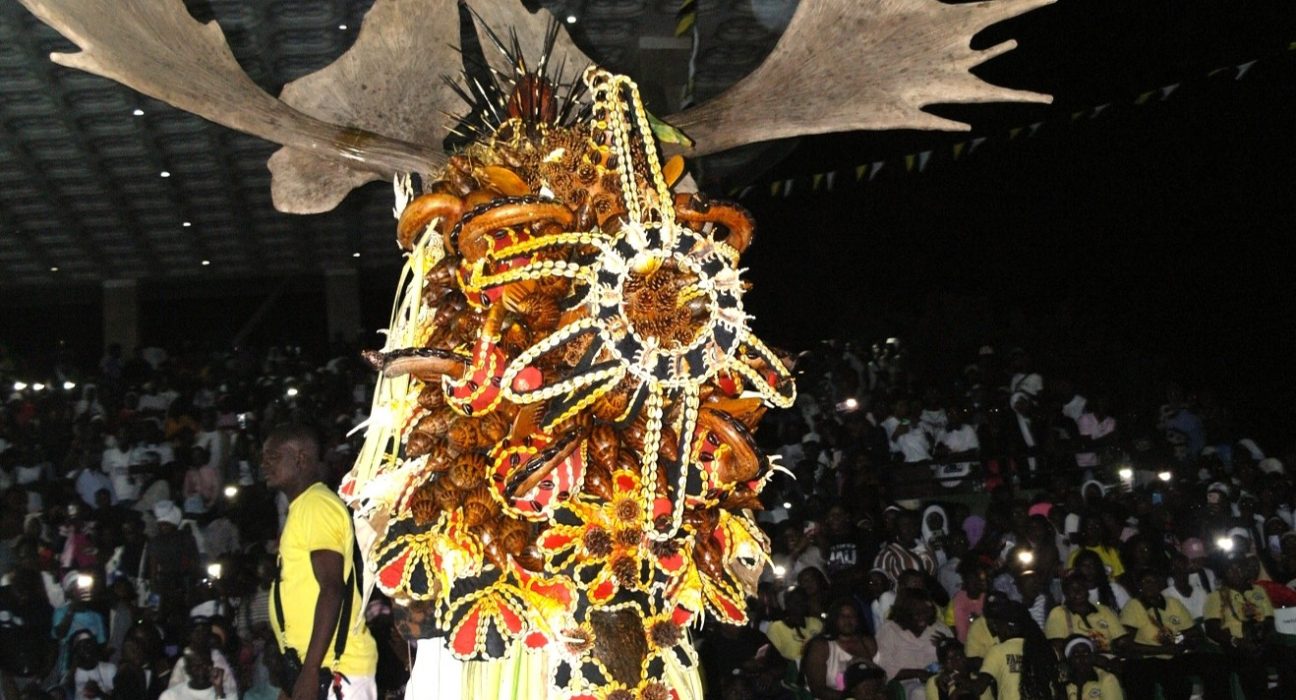
For this popular event, streets in Banjul, like Independence Drive, Lancaster, Fitzgerald, Wellington, Anglesea, Hagan, ECOWAS, Stanley, Arch, Box Bar, and Hardington, were all full to the brim as everyone celebrated the New Year, enjoyed, danced, and watched the display of different Egungun (masquerade) cultural performances from morning till dawn.
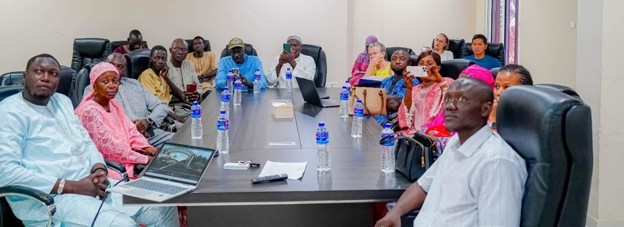
The Banjul New Year Task Force for the festival consists of different committees set up by the Minister of Tourism, Arts and Culture, Honourable Abdoulie Jobe, which were in action throughout the event to improve coordination and celebration of the festival.
The setup of the task force for the festival was commended by the Gambia’s Vice President, His Excellency Mohammed BS Jallow, who commended the Ministry of Tourism, Arts and Culture, and its partners for the improved organisation of the festival, particularly the establishment of a national task force bringing together key stakeholders. He also acknowledged the vital support of sponsors and cultural institutions.
“This festival preserves and promotes important aspects of our heritage, especially hunting and masquerade traditions that link Banjul to other West African coastal cities, while remaining uniquely Gambian,” the Vice President said at the official opening of the festival.
A major highlight of the festival is the parade of traditional hunting masquerades (Egungun). More than fifty hunting groups participated, entertaining audiences. Among these cultural groups, one has been established for 60 years of establishment. Notable among cultural groups were Rainbow (Gesseh) and Sambasoho, Ekun Baba Odeh Hunting Society, Gunshot Hunting Society, Odilleh Hunting Society, Rainbow National Society, Egereh Fojusilleh Hunting Society, Sahirr Mbye Ak Lamin Njie, Dekali Banjul Fanal, Zimba Ak Batch Sowe, Saul Sowe Carnival, and others.
However, the Banjul Cultural Festival, popularly known as the Hunting Festival, begins on Christmas Eve and runs through the early hours of January 2. Each year, it attracts large crowds of locals, visitors, and international tourists, all drawn to the capital to witness and participate in this vibrant cultural experience.