

Gambia Hosts ECOWAS Regional Laboratory Meeting as WAHO, Germany Renew Push for Health Security
By Yunus S Saliu
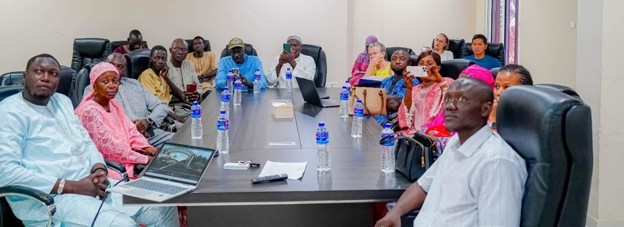
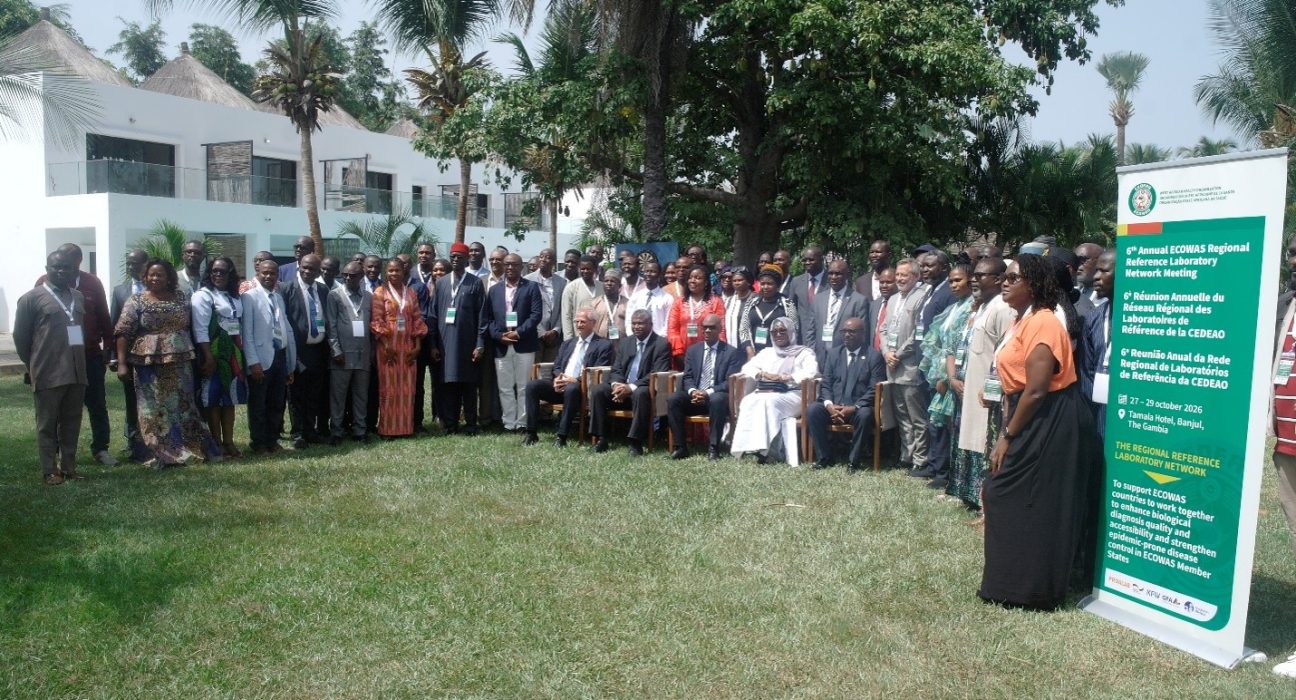
The Gambia on Tuesday hosted the opening of the sixth annual meeting of the ECOWAS Regional Reference Laboratory Network, with health leaders and development partners calling for stronger laboratory systems, improved disease surveillance and increased regional cooperation to protect public health.
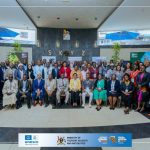
The three-day meeting, held at Tamala Hotel in Kololi from October 27 to 29, 2026, brought together representatives from 18 countries to review progress, address challenges and establish priorities for strengthening laboratory services across West Africa.
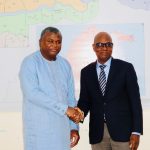
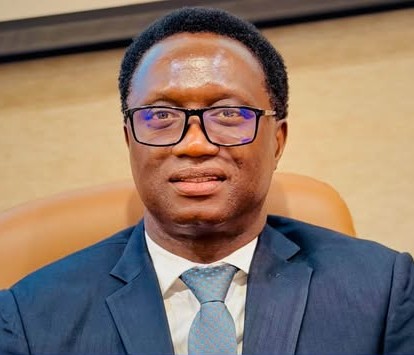
The meeting was officially opened by the Minister of Health, Dr Momodou Lamin Samateh, who described the gathering as an honour for The Gambia and reaffirmed the government’s commitment to regional health security.
He thanked the West African Health Organization (WAHO) for its leadership in strengthening laboratory services and bringing the regional meeting to Banjul, noting that cooperation among countries was essential because diseases and public health threats do not respect national borders.
Dr Samateh said emerging and re-emerging diseases, antimicrobial resistance and other health threats underscored the need for strong, reliable and accessible laboratories capable of supporting early detection, accurate diagnosis, surveillance and effective outbreak response.
He noted that the establishment of the ECOWAS Regional Reference Laboratory Network by WAHO in 2016 had contributed to progress in antimicrobial resistance surveillance, biosafety and biosecurity, specimen transportation, quality management, genomic surveillance and laboratory information systems.
However, he identified persistent challenges, including unequal laboratory capacity across countries, shortages of skilled personnel, limited resources, gaps in infrastructure and equipment, and shortages of reagents and other essential laboratory supplies.
The minister urged participants to translate regional commitments into practical improvements, particularly through the review and validation of the proposed ECOWAS Regional Laboratory Strategy for 2027–2030.
He also highlighted the need to integrate environmental and toxicological laboratory services into the regional network under the One Health approach, which recognises the close relationship between human health, animal health and the environment.
Dr Samateh called for increased investment in laboratory quality management and accreditation readiness, emphasising that reliable test results were fundamental to patient safety, appropriate treatment and sound public health decisions.
He further urged regional laboratory experts to conduct research to establish population-specific reference values for The Gambia and West Africa. Such research, he explained, could help prevent underdiagnosis and overdiagnosis when reference standards developed elsewhere did not adequately reflect local populations.
The minister also expressed appreciation to WAHO, the German government, KfW and other partners for supporting the development of laboratory services. He said their assistance had contributed significantly to strengthening the country’s laboratory capacity.
German Ambassador to The Gambia, Klaus Botzet, reaffirmed Germany’s commitment to supporting regional health security through its long-standing partnership with WAHO.
He said Germany had worked with WAHO for more than 13 years through the West African Laboratory Programme, known as ProLab, with financial cooperation provided through KfW on behalf of the German government.
The programme supports The Gambia’s National Public Health Laboratory and National Veterinary Laboratory, strengthening the country’s ability to detect and respond to health threats affecting humans and animals.
Referring to the laboratory equipment handed over in Farato ahead of the meeting, Ambassador Botzet said the support represented more than the provision of equipment, describing it as an investment in preparedness, resilience and the ability to identify health threats before they develop into crises.
He also announced progress towards Germany’s planned support for a multipurpose surgical unit at the National Emergency Treatment Center in Farato, adjacent to the National Public Health Laboratory. The facility is expected to strengthen emergency and specialised healthcare services in The Gambia.
The ambassador said the laboratory and surgical projects complemented each other by supporting early disease detection and effective patient care.
Director General of the West African Health Organisation (WAHO), Professor Palokinam T. Pitche, also commended Germany and KfW for their continued support to WAHO and regional health projects.
He said lessons from the 2014 Ebola outbreak in West Africa and the COVID-19 pandemic had demonstrated the importance of early detection, reliable laboratory data and coordinated responses to public health emergencies.
Prof Pitche stressed that laboratories were essential not only for confirming diagnoses and identifying outbreaks, but also for guiding the deployment of resources and detecting risks associated with food, water and the environment.
He outlined three major priorities for the meeting: finalising the regional laboratory programme framework and action plan; integrating environmental and toxicological laboratories into the regional surveillance system; and strengthening quality management and preparation for laboratory accreditation.
He called for clear responsibilities, sustainable financing, and measurable indicators to guide implementation, while encouraging member states to maintain investment in trained personnel, functional equipment, reliable supplies, and effective sample transportation systems.