




Gambia Seeks UNESCO Recognition For Traditional Palm Wine Tapping Skills
By Yunus S Saliu
An ancestral occupation deeply rooted in Gambian cultural life, palm wine tapping is the subject of a new effort to preserve traditional knowledge, specialised skills and community practices that are increasingly at risk of disappearing.
The National Centre for Arts and Culture (NCAC), on behalf of the Government of The Gambia, has submitted a nomination dossier to UNESCO under the 2003 Convention for the Safeguarding of the Intangible Cultural Heritage, seeking international recognition for palm wine tapping and its associated skills.
The initiative aims to protect an age-old practice that goes beyond the production of palm wine, encompassing traditional craftsmanship, ritual observances, livelihood opportunities, and knowledge passed from one generation to another.
According to the NCAC, the nomination was motivated by growing concerns that the traditional occupation is gradually dying out and requires deliberate efforts to ensure its survival for future generations.
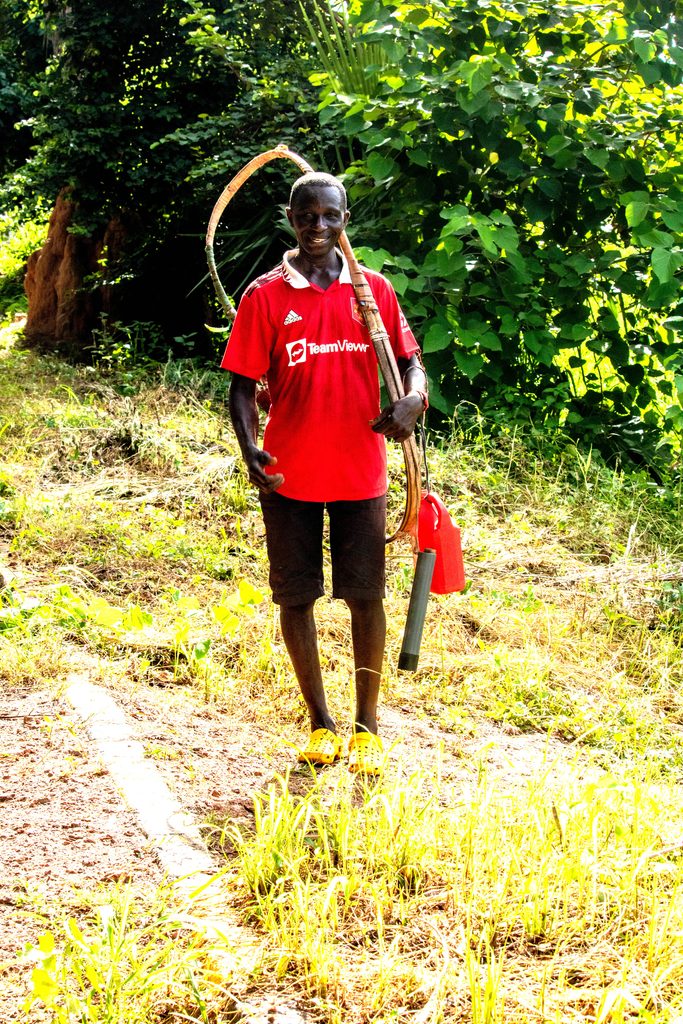
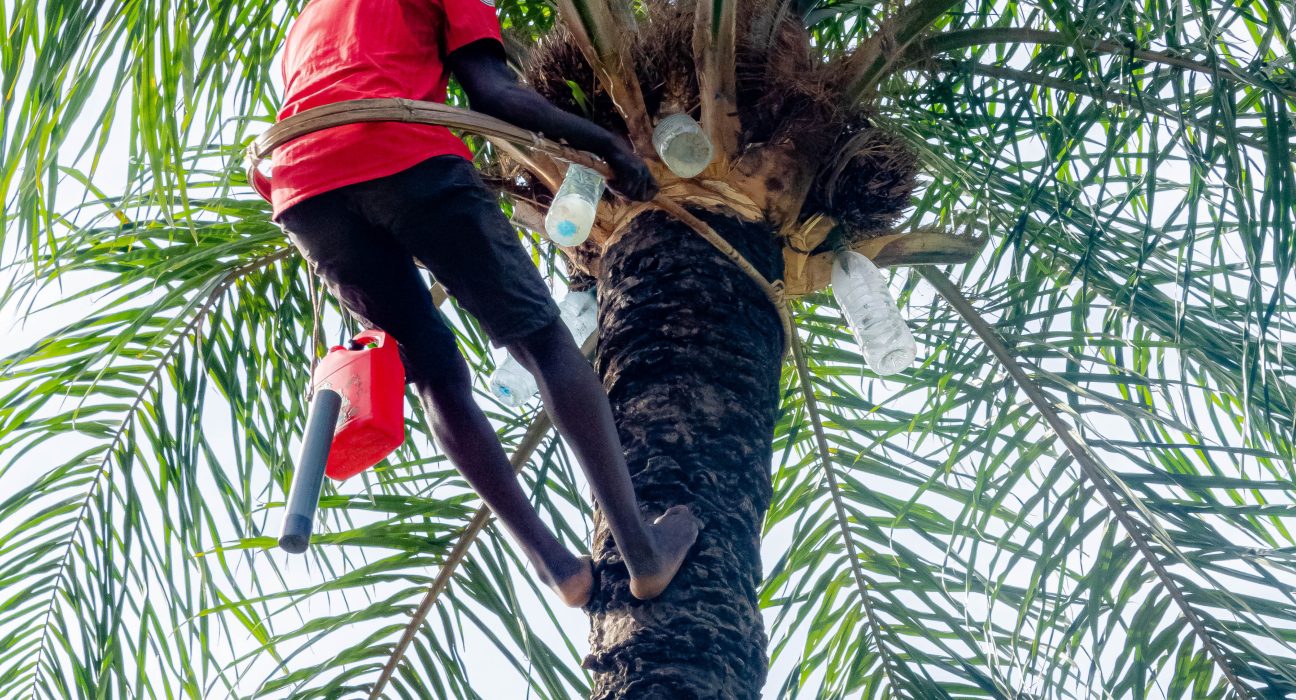
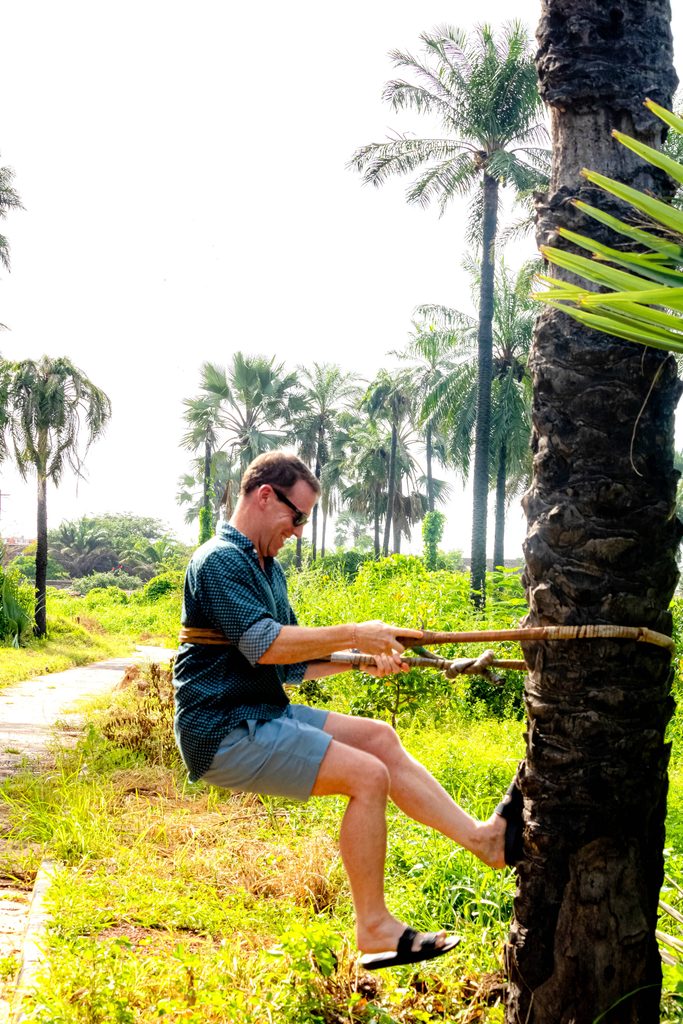
Palm wine tapping involves a range of specialised skills, beginning with the preparation of climbing equipment and the techniques required to ascend palm trees safely. It also includes the knowledge of how to tap the tree, manage the flow of the sap, and make and install the traditional instruments used to collect the wine.
These techniques represent an important body of indigenous knowledge that has been developed and transmitted through practical experience over generations.
The skills involved in producing palm wine are particularly significant because the practice depends on the continued transmission of knowledge between experienced tappers and younger people willing to learn the occupation.
Without the skills to climb the trees and extract the sap, the production process cannot continue. The NCAC therefore considers safeguarding the occupation, its tools and its associated knowledge essential to preserving the wider cultural tradition.
It is beyond a beverage; palm wine occupies an important place in the cultural and traditional life of several Gambian communities. Its significance extends beyond its consumption as a beverage to its use in religious and traditional observances.
According to the NCAC, palm wine is used in libations and rites of passage ceremonies in some communities, making its production relevant to the continuation of customary practices and community identity.
Its cultural importance is therefore closely connected to the people who possess the knowledge of tapping the trees, preparing the necessary equipment, and understanding the traditional uses of the product.
Preserving palm wine tapping would consequently mean safeguarding not only an occupation but also the cultural expressions and social practices associated with it.
To prepare the nomination, the NCAC undertook extensive consultations with communities in different parts of the country over several months. The consultations provided opportunities for community members to explain the significance of the practice, share their experiences and identify measures they believe would help sustain it.
The process included collecting testimonies through audio and video recordings, alongside research into historical records and archival materials.
The centre also emphasised the importance of respecting ethical considerations in documenting community knowledge and ensuring that the people associated with the tradition participated in discussions about its future.
The preparation of the dossier took approximately nine months, involving consultations with communities and other relevant stakeholders, as well as documentary and archival research.
Beyond its cultural significance, palm wine tapping has an important economic history in The Gambia.
Archival research highlighted by the NCAC points to the role of palm wine in the colonial economy, particularly during the Second World War, when substantial quantities were reportedly supplied to urban markets.
The research indicates that palm wine once supported a chain of economic activities involving tree tappers, intermediaries who purchased the product from producers, and traders who sold it to consumers.
This network created different layers of employment and income generation, demonstrating that the occupation has historically contributed to livelihoods beyond the individuals directly involved in tapping the trees.
The colonial-era demand for palm wine also illustrates the product’s commercial importance at a time when the movement and consumption of alcoholic beverages were influenced by the needs of the population, including military personnel stationed in The Gambia.
This historical dimension adds another layer to the case for safeguarding the practice, particularly as traditional occupations can provide opportunities for employment, entrepreneurship and the preservation of indigenous economic knowledge.
The NCAC’s proposed safeguarding measures include promoting the cultivation and protection of palm trees, improving environmental conservation and creating opportunities for younger generations to acquire the skills associated with palm wine tapping.
The centre also recognises the potential role of museums and cultural exhibitions in documenting traditional tools, techniques and the history of the occupation.
Community participation is expected to remain central to these efforts, ensuring that safeguarding measures reflect the knowledge, experiences and priorities of the people who practise and maintain the tradition.
Among the proposals discussed is the development of a museum, a dedicated palm-growing area and a festival to celebrate palm wine tapping and its associated cultural practices. Community support, including an offer of land for the proposed initiative, could help provide a foundation for these plans.
A palm wine festival could also create opportunities to promote Gambian cultural heritage, encourage the participation of younger people and attract visitors interested in traditional livelihoods and authentic cultural experiences.
For the tourism sector, such an initiative could contribute to the diversification of cultural tourism products, particularly by connecting visitors with community knowledge, indigenous craftsmanship and traditional ways of life.
If developed sustainably, the initiative could provide a platform for cultural education while creating potential income-generating opportunities for local communities.
With the nomination dossier, photographs, video recordings, and supporting documentation submitted, the process now awaits consideration by UNESCO through its established evaluation procedures.The NCAC acknowledges that the process is rigorous and may involve further examination of the submission and requests for additional information before a decision is reached.
The submission therefore represents an important step in the safeguarding process, although international recognition has not yet been secured.
For The Gambia, the nomination offers an opportunity to draw attention to a traditional occupation whose significance lies in its combination of practical knowledge, cultural meaning, historical importance and livelihood potential.
Ultimately, safeguarding palm wine tapping will depend not only on the outcome of the UNESCO nomination but also on sustained community participation, the transmission of traditional skills and practical measures to protect the resources on which the occupation depends.
The effort reflects a broader recognition that intangible cultural heritage is sustained through the people who practise it, the knowledge they transmit and the environments in which their traditions continue to thrive.