





GTBoard, UN Agencies Launch Initiative To Promote Responsible Tourism
By Yunus S Saliu
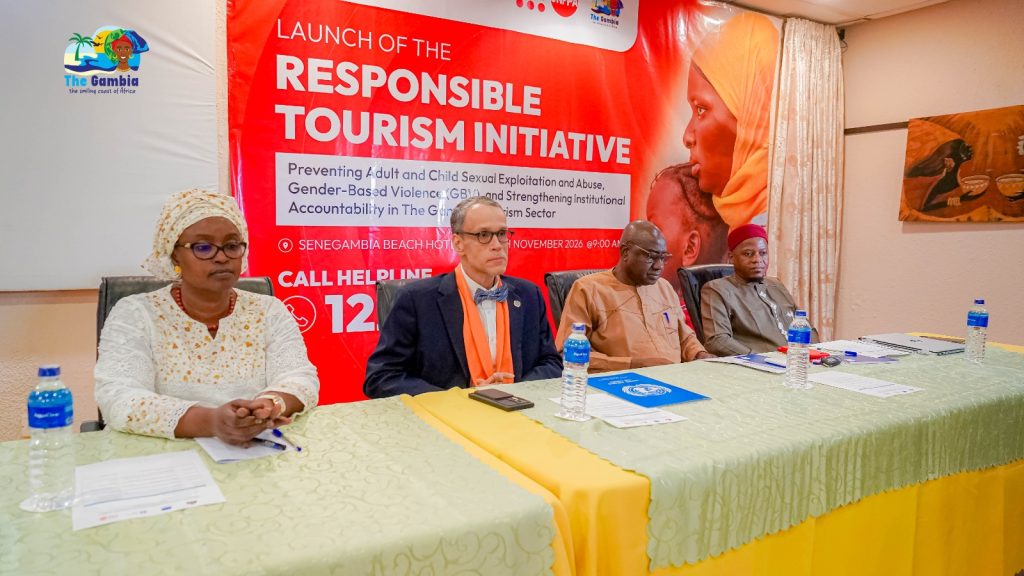
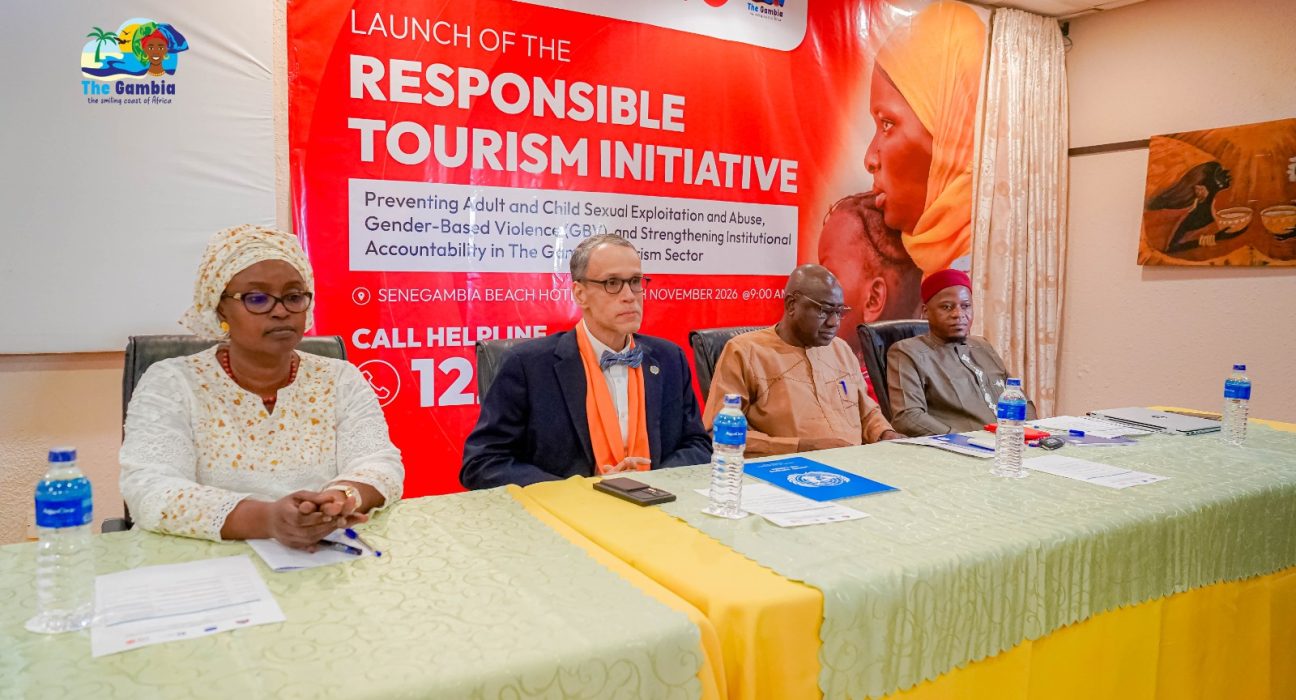
The Gambia Tourism Board (GTBoard), in partnership with the United Nations Population Fund (UNFPA), International Trade Centre (ITC), United Nations Children’s Fund (UNICEF) and the Tourism Diversification and Resilience in The Gambia Project (TDRGP), on Thursday, November 26, 2026, launched a new initiative aimed at promoting responsible and inclusive tourism in the country.
The initiative, titled Strategic Support for Responsible Tourism in The Gambia, seeks to prevent sexual exploitation and abuse, address gender-based violence (GBV), and strengthen institutional accountability within the tourism sector.
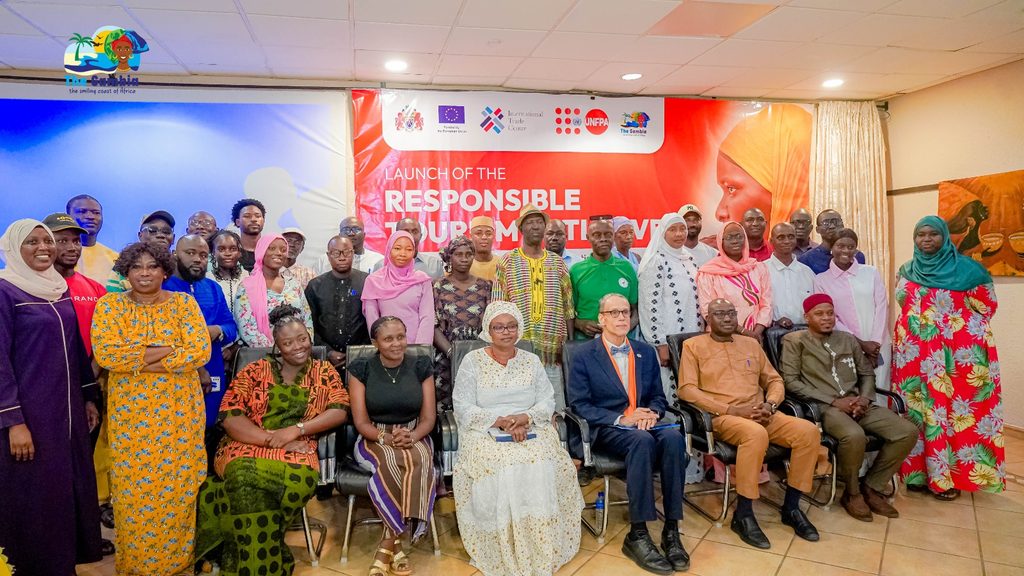
The launch, held at Senegambia Beach Hotel in Kololi, brought together stakeholders from across the tourism industry and development partners.
Speaking on the implementation of the Code of Conduct, Ida Jeng-Njie, Director General of GTBoard, said the Board was committed to promoting responsible tourism practices through the adoption of a comprehensive Code of Conduct for the industry.
She said the initiative, developed in close partnership with UNFPA and ITC, reflected a shared commitment to creating a safe, inclusive and dignified environment for everyone living, working and visiting The Gambia.
While describing tourism as a vital pillar of the country’s economy and an important driver of cultural exchange, livelihoods and community development, she noted that the sector could also expose vulnerable individuals to risks, including sexual exploitation, abuse and gender-based violence.
According to her, the Code of Conduct provides practical guidance and principles for ethical behaviour within the industry, with emphasis on human rights, gender equality and community well-being.
She said GTBoard would work to prevent and respond to sexual exploitation and abuse linked to tourism activities while promoting awareness, training and accountability among tourism stakeholders. The initiative would also empower communities, particularly women and girls, to participate safely in the benefits of tourism.
To translate the commitment into practice, DG Jeng-Njie said the Board would work with tourism businesses and partners to establish clear workplace policies, train designated focal persons, organise regular staff training and strengthen reporting channels and referral pathways for people seeking assistance.
She added that the initiative would encourage tourism operators to identify potential risks and ensure that concerns were handled with dignity, confidentiality and fairness.
Delivering the keynote address, Siaka Fadera, Deputy Permanent Secretary at the Ministry of Tourism, Arts and Culture, said gender-based violence remained a serious challenge requiring collective commitment, coordinated action and strong institutional responses.
He stressed that children, women and other vulnerable groups must be protected from all forms of abuse, exploitation and discrimination.
He said the initiative came at a critical time and aligned with the government’s commitment to responsible, inclusive and sustainable tourism. It would provide an important platform for strengthening prevention mechanisms, improving reporting and response services, building institutional capacity and promoting accountability across the tourism value chain.
DPS Fadera reaffirmed the ministry’s commitment to working with government institutions, development partners, tourism operators, civil society organisations and communities to ensure that the initiative achieved tangible results.
He described the protection of people, particularly women and children, as a shared responsibility and urged all stakeholders to approach implementation with honesty, determination and a strong sense of responsibility.
Karl Frederic Paul, United Nations Resident Coordinator in The Gambia, said the launch was particularly timely as it coincided with the beginning of the 16 Days of Activism against Gender-Based Violence, which runs until December 10, Human Rights Day.
He stressed that violence against women and girls was never acceptable or justifiable, calling on people to report incidents whenever they witnessed them.
The UN Resident Coordinator noted that tourism created employment, sustained livelihoods and generated income for communities across the country. However, he said the sector’s sustainability must also be measured by how it protects the rights and dignity of the people behind its growth.
He said the initiative built on existing work with UNFPA and UNICEF while introducing a dedicated focus on the tourism industry. He also highlighted the United Nations’ zero-tolerance policy towards sexual exploitation and abuse and the importance of ensuring that international commitments and national laws translate into effective protection in hotels, guesthouses, beaches and other tourist areas.
Earlier, Yusupha Keita, ITC Gambia Country Representative, said tourism was a powerful driver of economic opportunities, supporting enterprises, creating jobs and connecting communities to the world.
However, he argued that the sector’s success should not be measured solely by its economic performance but also by how it treats and protects workers, visitors and host communities.
He said effective partnerships, strong institutions, responsible businesses and collective leadership were necessary to maximise tourism’s benefits while addressing the challenges associated with its growth.
Keita explained that the initiative would support the updating of the Code of Conduct, raise awareness about sexual exploitation and abuse across tourism development areas, train volunteers, develop key messages and establish reporting and referral mechanisms.
He expressed ITC’s pride in supporting the initiative, noting that a responsible tourism sector would strengthen destination reputation, build trust and create lasting value for businesses and communities.
He urged stakeholders to ensure that tourism growth in The Gambia went hand in hand with accountability, inclusion and respect for human dignity.