



Historic Georgetown Passes Key UNESCO World Heritage Assessment Stage
By Yunus S Saliu
The Gambia’s efforts to secure international recognition for its cultural and historical heritage have received a major boost after the United Nations Educational, Scientific and Cultural Organisation (UNESCO) confirmed that the preliminary assessment submission for Historic Georgetown (Janjangbureh Island) passed the required technical review.
The submission, prepared on behalf of The Gambia by the National Centre for Arts and Culture (NCAC), met the technical requirements outlined in UNESCO’s Operational Guidelines, paving the way for the request to be reviewed by the organisation’s Advisory Bodies as part of the process towards potential inscription on the UNESCO World Heritage List.
In a letter to The Gambia’s State Party, Mr Lazare Eloundou, Director of the UNESCO World Heritage Centre, confirmed that the preliminary assessment request had fulfilled the technical requirements.
“I am pleased to inform you that the above-mentioned Preliminary Assessment request met all of the technical requirements outlined in the UNESCO Operational Guidelines; consequently, a copy of the request has been sent to the Advisory Bodies for review,” Mr Eloundou wrote.
The development marks an important step in The Gambia’s efforts to secure further international recognition for its cultural heritage, particularly the historical landmarks and traditions associated with Janjangbureh, formerly known as Georgetown.
Under UNESCO’s World Heritage process, the preliminary assessment provides an initial evaluation of a site’s potential for World Heritage nomination. Passing the technical stage does not guarantee inscription, but it allows the submission to proceed to review by the relevant Advisory Bodies, which will guide the next steps towards a possible nomination.
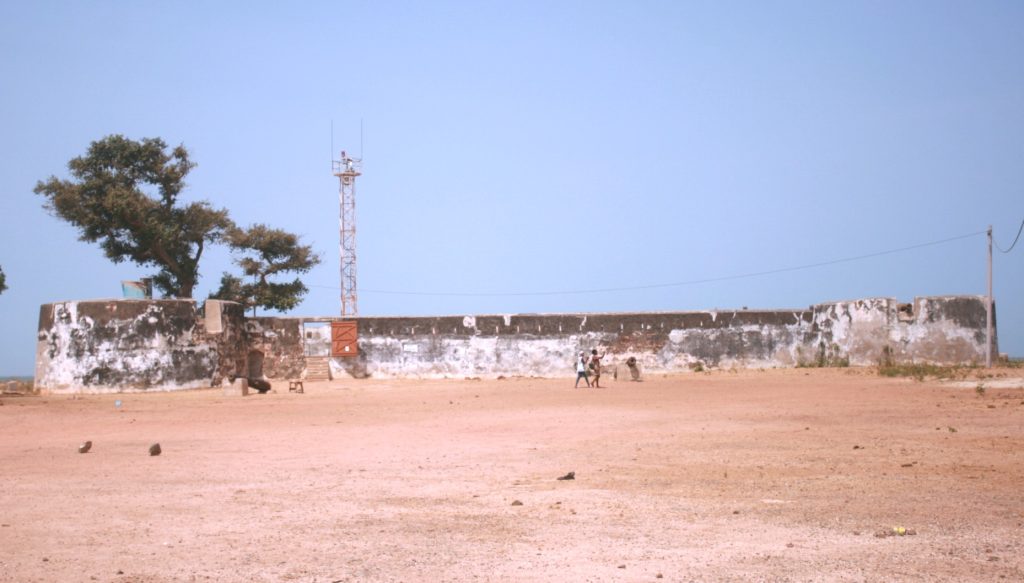
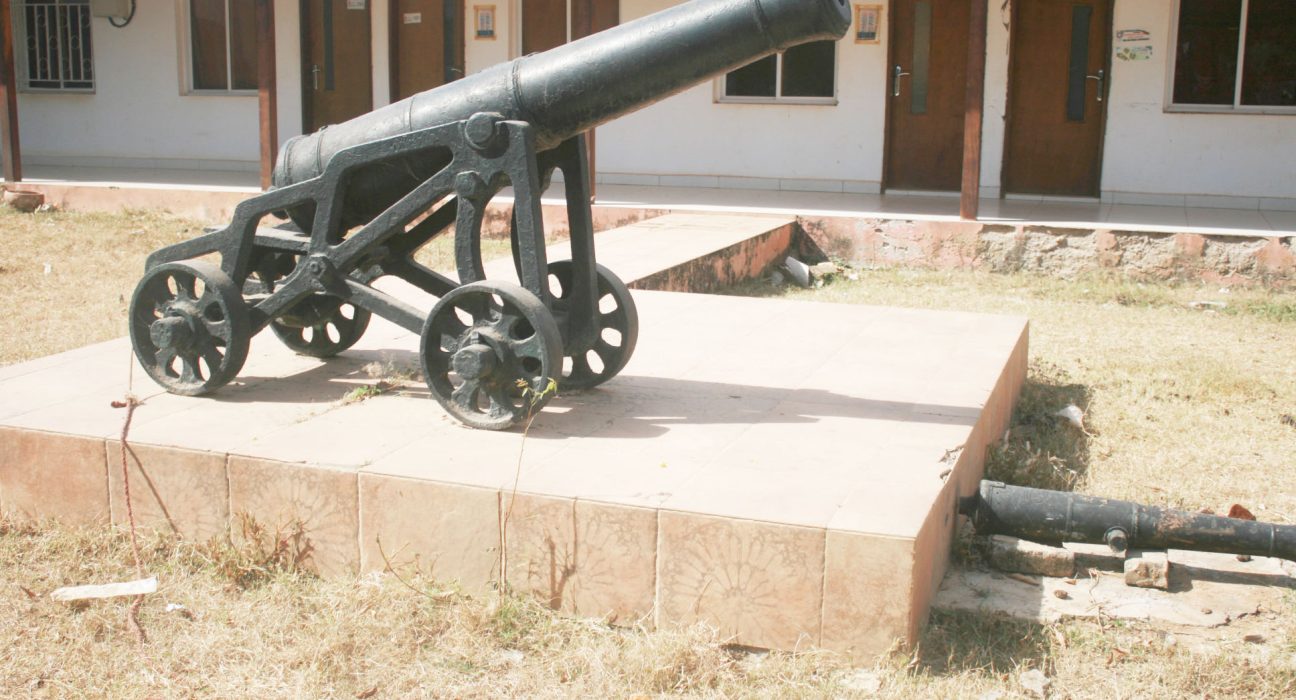
Historic Georgetown encompasses a collection of sites and landmarks on McCarthy Island that reflect the town’s colonial history, religious heritage, educational development and cultural significance.
These include the Methodist Church, riverfront wharves, the Old Colonial Commissioner’s Residence, Armitage School, the Colonial Cemetery, the Freedom Tree, Tinyansita and the town’s historic colonial streets.
Armitage School’s anticipated centenary milestone adds to the significance of the island’s heritage. The institution, one of the landmarks associated with the town’s historical development, is among the sites that contribute to Georgetown’s cultural and educational legacy.
Reacting to the development, Hassoum Ceesay, Director General of the NCAC, described the news as “highly positive”, saying it demonstrated that the institution’s efforts to protect, preserve and promote The Gambia’s cultural heritage were yielding results.
He attributed the progress to the NCAC’s commitment to its mandate and years of work to prepare the ground for the potential nomination.
According to him, Historic Georgetown was inscribed on UNESCO’s Tentative List in 2015, alongside the Wassu Stone Circles Quarry. The inclusion made it possible for the country to pursue the preliminary assessment process for the historic island.
“After many years, NCAC was able to start the process,” he said, explaining that UNESCO had trained NCAC staff on preparing preliminary assessment requests through capacity-building activities in South Africa, Uganda, Tanzania and Dakar.
Hassoum Ceesay also highlighted several developments that helped strengthen the submission, including The Gambia’s accession to the UNESCO 2001 Convention on the Protection of the Underwater Cultural Heritage, the successful celebration of Georgetown’s bicentenary in 2024, and the island’s inclusion in 2025 in the UNESCO Network of Places Associated with the Memory of Enslavement.
He further cited the annual Kankurang Festival, organised by the NCAC in collaboration with the Janjangbureh community since 2018, as an important contribution to preserving and promoting the island’s living cultural heritage.
These developments, he explained, were reflected in the preliminary assessment submission, which was also strengthened by archival research undertaken by the NCAC to establish the historical and cultural significance of the site.
The research and documentation form part of the institution’s efforts to demonstrate why Historic Georgetown deserves consideration as The Gambia’s next potential addition to the prestigious UNESCO World Heritage List.
The potential nomination also comes against the background of The Gambia’s existing World Heritage achievements. Kunta Kinteh Island and Related Sites were inscribed on the UNESCO World Heritage List in 2003, while the Senegambian Stone Circles were inscribed in 2006.
An inscription for Historic Georgetown would further strengthen the country’s international heritage profile while drawing attention to Janjangbureh’s historical landmarks, cultural traditions and potential for heritage tourism.
For the island and its surrounding communities, the process offers an opportunity to promote greater awareness of local history, encourage heritage conservation and strengthen the role of cultural tourism in sustainable local development.
Asked about the next steps, DG Ceesay said the relevant UNESCO Advisory Bodies would contact the Government of The Gambia to initiate discussions and agree on the way forward.
Their review and subsequent engagement will help determine the requirements and process for advancing the potential nomination.
While final inscription remains subject to further assessment and the applicable UNESCO procedures, the successful technical review represents a significant milestone in the country’s efforts to preserve its heritage and secure wider international recognition for Historic Georgetown.