
Ida Jeng-Njie Urges URR Communities: “Tell Your Own Story”
By Yunus S Saliu
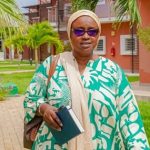
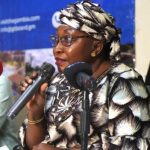
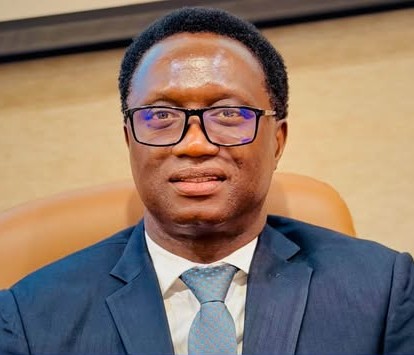
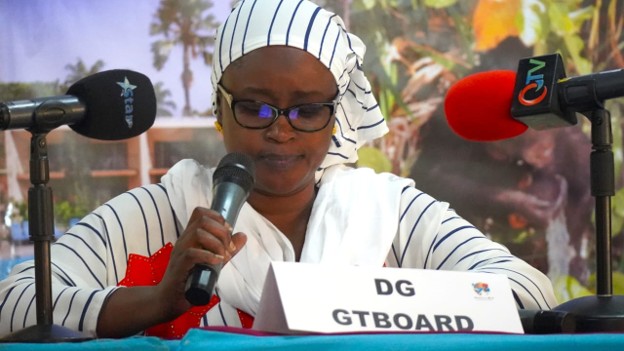
Director General of the Gambia Tourism Board (GTBoard), Ida Jeng-Njie, has urged communities in the Upper River Region (URR) to take ownership of their tourism narratives and promote the unique stories, cultures and heritage of their communities.
Jeng-Njie said communities should not allow outsiders to define or tell their stories for them, stressing that local people understand their history, culture and heritage better than anyone else.
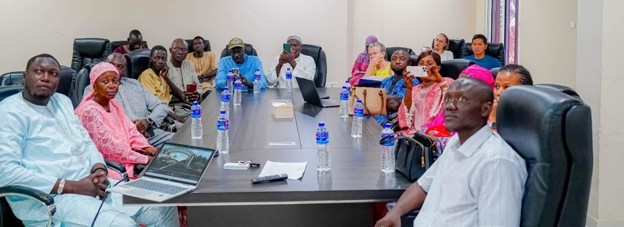
“You should tell your own story. Do not allow anybody to tell the story for you,” she told tourism stakeholders at the ongoing upcountry Tourism Stakeholders Forum held in Basse.
She added that even tourism authorities should not assume the responsibility of telling communities’ stories without their involvement.
“Do not even allow us, sitting at the GTBoard office, to tell your story for you, because you know your story more than we know your story,” Jeng-Njie said.
The GTBoard Director General said the purpose of the engagement was to listen to communities, understand their priorities and work with them to develop tourism experiences that would make the URR distinctive from other regions of The Gambia.
She said every region had its own identity and story, adding that developing unique regional products would not only differentiate destinations but also help diversify the country’s tourism offering.
“The culture inland is rich. The culture inland is different. The culture inland tells a different story. Everybody, every region has a story to tell,” she said.
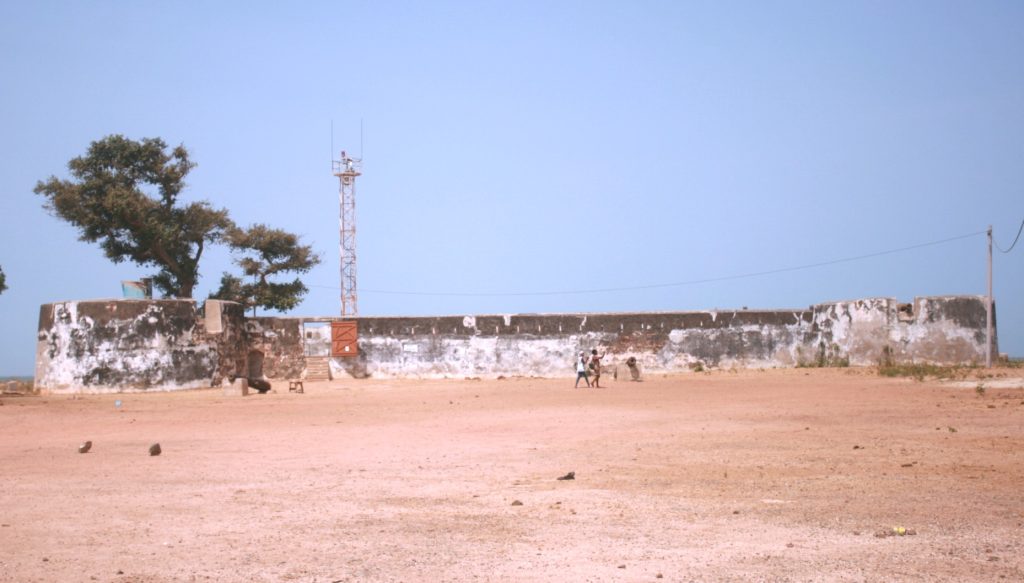
According to Jeng-Njie, the URR is endowed with cultural and traditional sites, historic assets, community landscapes and rich heritage that can contribute significantly to the development and diversification of the national tourism sector.
She, however, stressed that tourism development could not be achieved by government alone and called for stronger collaboration between the GTBoard, regional authorities, traditional leaders, communities, private-sector operators, women and youth.
Traditional leaders and Alkalo officials, she noted, have an especially important role because they are custodians of community cultural, traditional and heritage sites.
Jeng-Njie said their leadership and cooperation would be essential to ensuring that tourism development respects local values, protects cultural identity and creates benefits for communities where tourism activities take place.
She further emphasised that communities should not merely watch tourists visit their areas but should actively participate in and benefit from tourism.
She said tourism could create opportunities in employment, entrepreneurship, skills development and local businesses, while also supporting cultural enterprises, agriculture, transport and hospitality.
“Tourism is not just tourism’s business. Tourism is everybody’s business,” she said, noting that tourism cuts across sectors including agriculture, fisheries and trade.
The GTBoard chief also encouraged Gambians to travel within the country and discover destinations outside the traditional coastal tourism belt.
She said domestic tourism could allow Gambians to learn from and promote each other’s regions instead of relying entirely on international visitors.
Jeng-Njie shared her own experience of visiting Basse with her family, saying the trip demonstrated the potential of inland destinations to appeal to Gambians themselves.
She urged communities across the country to promote their destinations and encourage domestic visitors to experience the different cultures and attractions found across The Gambia.
Chairman of the GTBoard Governing Body, Momodou Bamba Saho, supported the call for community participation, saying tourism development should reflect the opportunities and aspirations of communities across the country.
He said the URR’s trade history, river, countryside and cultural traditions offered opportunities for visitors to experience more of The Gambia, while local food, music, crafts and oral histories could enrich the tourism experience.
Saho said communities should have a say in how their heritage is shared, while women and young people should be given opportunities to own and develop tourism-related businesses.
Meanwhile, Permanent Secretary of the Ministry of Tourism, Arts and Culture, Amie Njie, said the government was committed to harnessing the potential of upcountry tourism as a driver of inclusive growth, cultural preservation and sustainable development.
She said the URR and other inland regions possess natural, cultural and historical assets that could create employment, support local businesses, preserve heritage and improve livelihoods.
The stakeholder forum forms part of GTBoard’s ongoing regional consultations aimed at identifying tourism opportunities and challenges and strengthening partnerships to develop a more diversified and sustainable tourism sector.