



Kabekel Alkalo Donates Land to Safeguard Palm Wine Tapping Heritage

By Yunus S Saliu
A landmark gesture to preserve one of The Gambia’s treasured cultural practices has emerged from Kabekel village, where the village Alkalo, Timothy Sarjo, has pledged a substantial parcel of land to support the safeguarding of palm wine tapping under the national heritage framework.
The commitment was announced following a validation forum organized by the National Centre for Arts and Culture (NCAC) and stakeholders on Monday, 16 February 2026.
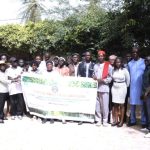
The forum validated the elaboration for the nomination of palm wine tapping for inscription under the UNESCO Urgent Safeguarding List (USL). The meeting, held at the NCAC RDD Annex in Fajara, brought together palm wine tappers, Intangible Cultural Heritage facilitators, representatives of NATCOM-UNESCO, MOTAC, GTHI, academics, and cultural practitioners. The validation workshop was supported by UNESCO.
In an interview following the forum, Alkalo Timothy Sarjo, village head of Kabekel in Kombo Central, explained that he is donating a 50 by 50 hectares of land to establish a palm tree orchard dedicated to revitalizing palm wine tapping.
He described the land as a shared national resource that should benefit communities and future generations.
“The meaning of Kabekel itself is palm tree in Jola,” he said, underscoring the village’s historic connection to the practice. “I am only managing the land inherited from my forefathers. It is right that it serves national development and supports our people. This orchard will help palm wine tappers come together and strengthen this cultural heritage.”
Timothy acknowledged that land scarcity is a growing concern in The Gambia, noting that unequal ownership can limit community livelihoods. His donation, he said, is a proactive effort to shield palm wine practitioners from such pressures while contributing to cultural preservation.
He added that the offer could expand in the future if the project demonstrates commitment and positive results. “If they do well, it will encourage others. More support can follow,” he stated.
Beyond its cultural value, Timothy emphasized the economic and social importance of palm wine tapping. In Kabekel’s mixed Christian and Muslim community, palm products support livelihoods and social cohesion. He highlighted that palm trees provide multiple benefits, from palm oil and soap production to palm kernel extracts used in personal care, creating income streams for families.
He also spoke about traditional beliefs surrounding palm wine’s medicinal value, cautioning that moderation is essential while acknowledging its long-standing role in local healing practices.
Timothy concluded by encouraging palm wine practitioners to remain committed to responsible tapping and collective organization, saying the future of the heritage depends on unity, discipline, and respect for tradition.
Stakeholders at the validation forum welcomed the donation as a major boost to the safeguarding effort.
Hassoum Ceesay, Director General of the National Centre for Arts and Culture (NCAC), noted that establishing a dedicated orchard strengthens the nomination case by demonstrating community-led commitment to sustaining the practice.
As preparations continue for the international nomination, Kabekel’s contribution stands as a powerful example of how local leadership and community heritage can align to protect living traditions for generations to come, he added.