


Musa Molloh’s Tomb In Kesser Kunda
By Yunus S Saliu
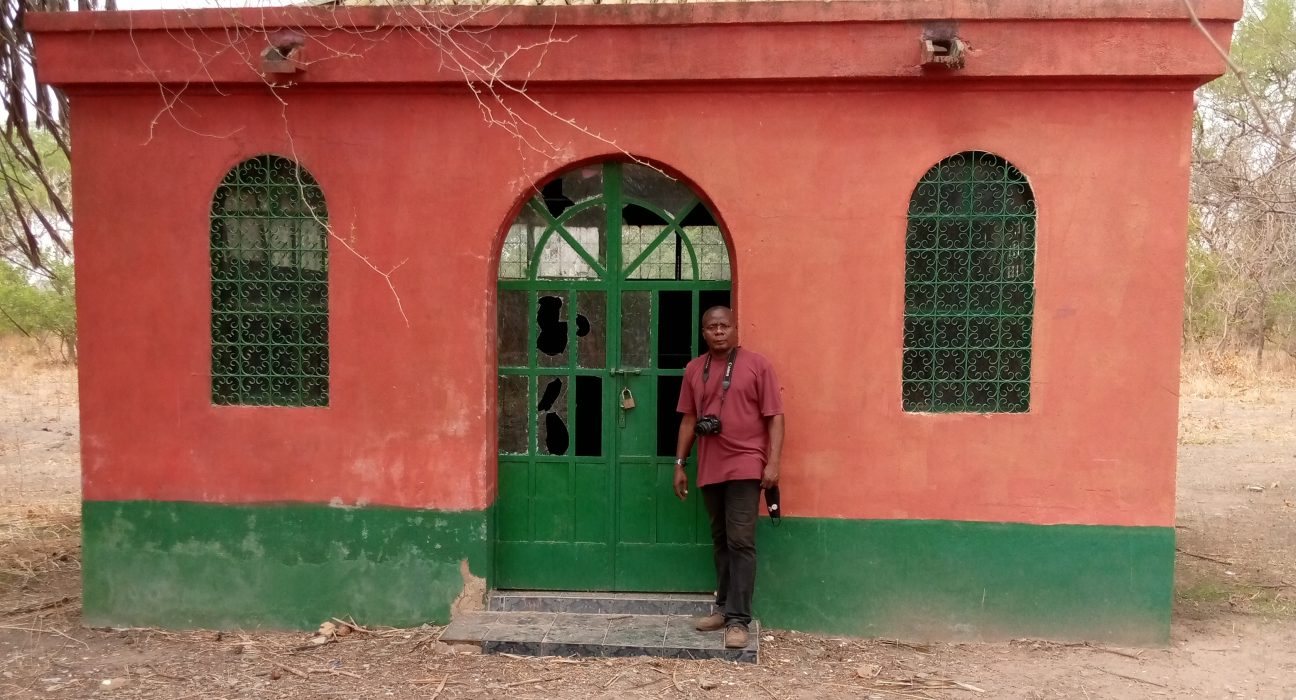
Most tourists’ expectations when visiting any destination are related to different features such as culture, heritage, history, events, and adventure, and one of the historical places to visit during your visit to the Destination Janjanbureh in the Central River Region is the Musa Molloh’s Tomb, now billed for an upgrade.
The tomb is among the places that help to interpret and promote the heritage of Musa Molloh, the Gambian anti-colonial fighter and warrior.
Late Musa Molloh was the son of Alpha Molloh, who was among the warriors of the Fulani Empire, and when he died, Musa Molloh took over the empire of the Fuladu.
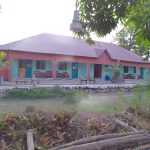
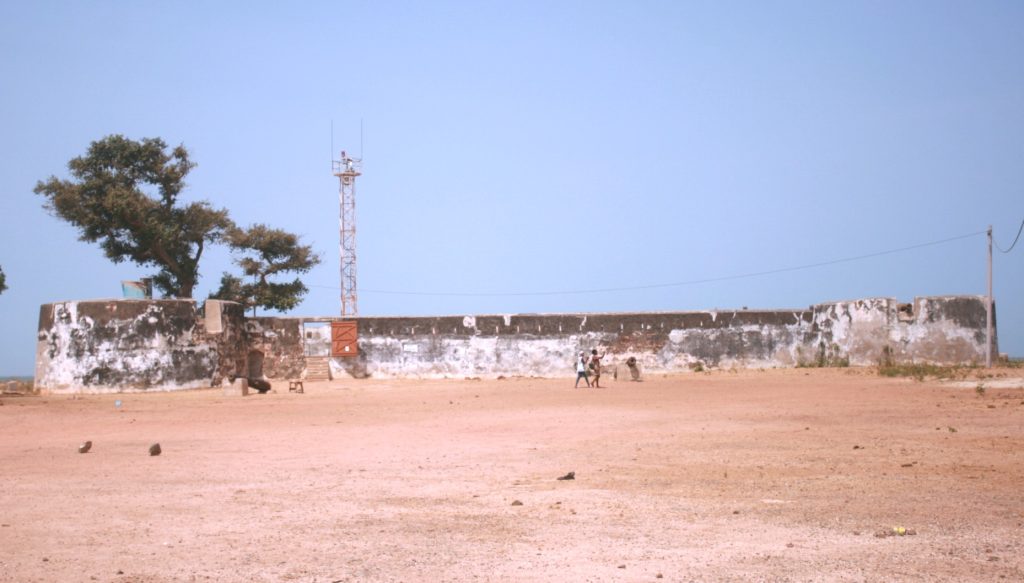
The Gambian anti-colonial fighter died in 1931. Some years ago, his family members, both in The Gambia and Senegal, and the National Centres for Arts and Culture (NCAC) worked together to build his tomb in Kesser Kunda, not far from Kunkilling Eco Tourism Forest Park, the location of Jimara Eco Tourism Park in Central River Region (CRR).
Inside The Tomb
According to Musa Molloh’s life history, in 1894 the British and French visited and told him to surrender his empire to them to establish a colony. “Musa Molloh, without the military power to defeat both the British and French, was wise enough to agree and sign a treaty with them, and they gave him a sum of 180 pounds each as an annual income. While he chose the English side of the border and established a new territory in Kesser Kunda near Boraba in Basang,” historian Hassoum Ceesay narrated.
He explained that the English were happy about this. At the same time, Musa Molloh got his first disappointment after signing the treaty, as he was demoted from king to chief when they told him that “he will no longer be called King anymore but can only be a chief.”
However, after some tribulation, annexation, and allegations, he was sent to exile in Sierra Leone based on the allegation that he had broken the signed treaty. Also, he was a slave dealer, keeping slaves in his palace; thus, in the British Empire, no one was authorized to have a slave. He was in exile till 1924 and returned to Kesser Kunda when already sick and died in 1931.