

NCAC Holds Intangible Cultural Heritage Workshop
By Yunus S Saliu
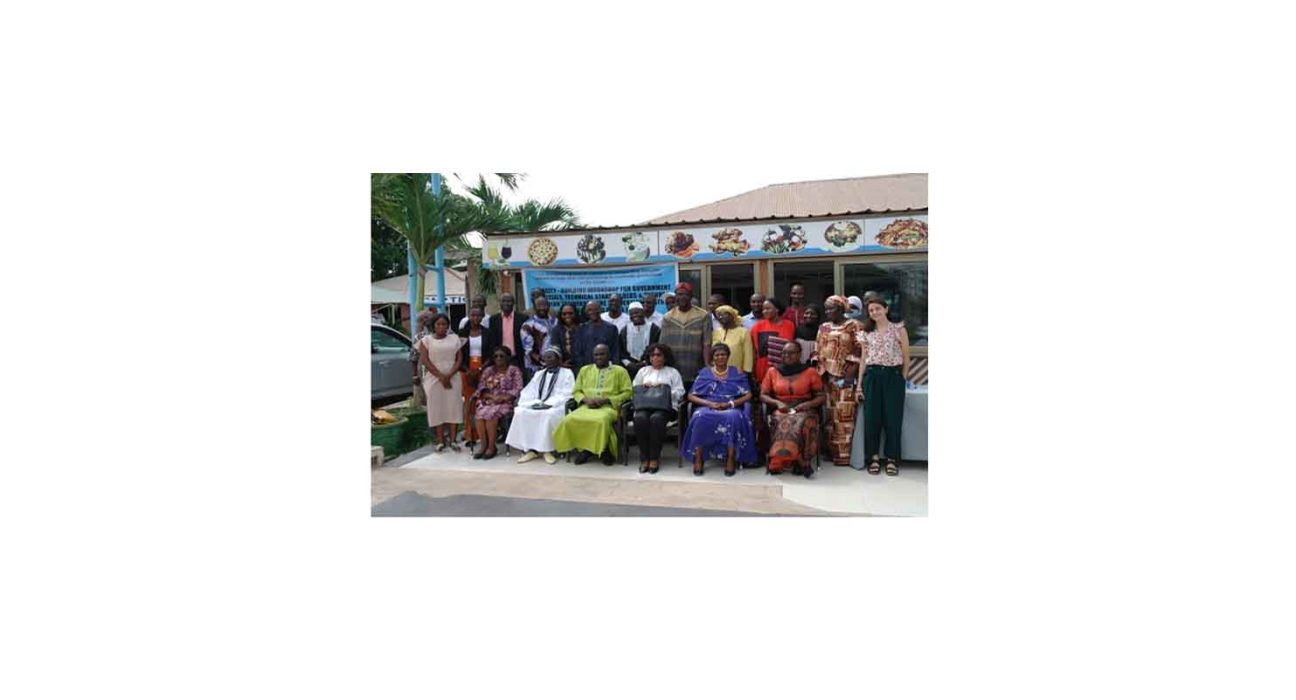
The National Centre for Arts and Culture (NCAC), in collaboration with UNESCO and the Ministry of Tourism and Culture, in July 2022 held a weeklong capacity-building workshop for government officials, technical stakeholders and prospective Gambian trainers on the UNESCO Convention for the Safeguarding of the Intangible Cultural Heritage (ICH).
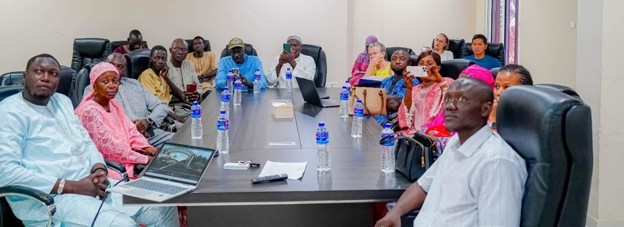
The workshop brought together representatives from various ministries, government institutions and other relevant stakeholders to strengthen national capacity for identifying, documenting and safeguarding The Gambia’s living cultural heritage.
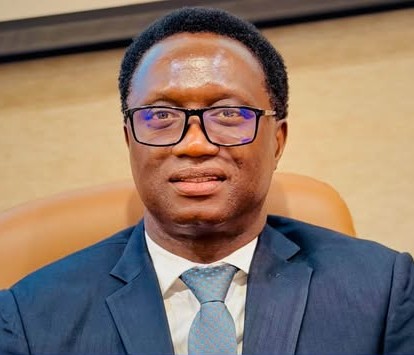
Speaking on behalf of the Minister of Tourism and Culture, Mamadi Dampha, the Deputy Permanent Secretary at the Ministry welcomed participants, particularly representatives from UNESCO, ICH experts and facilitators who travelled from Dakar, Uganda and Zambia to participate in the training.
DPS Dampha disclosed that, in late 2021, UNESCO earmarked US$50,000 to support the NCAC in implementing a two-year project under the 2003 Convention, titled “Strengthening National Capacities for Safeguarding Intangible Cultural Heritage for Sustainable Development in The Gambia.”
He explained that the project was designed to support The Gambia’s efforts to safeguard its living heritage under the UNESCO 2003 Convention for the Safeguarding of the Intangible Cultural Heritage.
“The Gambia is a signatory to this Convention and, since 2008, The Gambia and Senegal have had the Kankurang Manding Initiatory Rite inscribed on the Representative List of the Intangible Cultural Heritage of Humanity,” he said.
DPS Dampha said UNESCO, in partnership with the NCAC, would provide technical support over the two-year period and develop a capacity-building programme based on needs identified during an assessment conducted in The Gambia.
He assured participants of the NCAC’s commitment to the successful implementation of the project, while highlighting several milestones achieved by the Ministry and the NCAC in the cultural sector.
He noted that the project would make the coming years particularly busy for members of the NCAC technical team, technical stakeholders and prospective ICH trainers selected through the training programme.
Speaking virtually, Habibata Thienta, UNESCO Education Officer in Paris, said UNESCO, through its Regional Office in Dakar, had been supporting efforts in The Gambia to safeguard intangible cultural heritage.
She described the workshop as part of the country’s first systematic efforts to strengthen national capacity for safeguarding ICH, noting that the project would cover communities and regions across the country.
Madam Thienta recalled that since The Gambia ratified the UNESCO Convention for the Safeguarding of the Intangible Cultural Heritage in 2011, the NCAC and UNESCO had undertaken various activities, including a pilot initiative with communities in the Lower River Region, Kiang West National Park and the Baobolong Wetland Reserve to inventory intangible cultural heritage elements linked to environmental protection.
She said the first national ICH project in The Gambia had two main objectives: to strengthen national capacity to identify, value and safeguard intangible cultural heritage, and to raise awareness among the general public about the importance of preserving the country’s cultural heritage.
“The training we are introducing, which will run from today until Friday, aims to address these two goals,” she said.
Madam Thienta expressed satisfaction with the participation of representatives from ministries and institutions whose mandates are linked in various ways to intangible cultural heritage, including education, environment, gender, children and social welfare.
She noted that the involvement of these institutions was important because they could contribute to placing the country’s living heritage at the heart of national policies and development programmes.
According to her, living heritage represents the spirit of a country and has much to teach present and future generations about traditions, identity and sustainable ways of life, many of which are gradually being lost.
She therefore urged participants to deepen their understanding of ICH and its safeguarding, stressing that culture is cross-cutting and can contribute significantly to sustainable development.
Madam Thienta said intangible cultural heritage could contribute to wellbeing and health through traditional knowledge and medicinal practices, strengthen social cohesion, and support efforts to address climate change and reduce disaster risks.
The workshop formed part of ongoing efforts by The Gambia, UNESCO and national stakeholders to strengthen institutional capacity and ensure the effective safeguarding and promotion of the country’s rich intangible cultural heritage for present and future generations.