




NCAC Upgrades Heritage Sites to Boost Tourism, Education and Cultural Preservation
By Yunus S Saliu
The Director General of the National Centre for Arts and Culture (NCAC), Hassoum Ceesay, has highlighted the significant transformation of two of The Gambia’s most important heritage sites following extensive upgrade works aimed at enhancing heritage conservation, tourism development and educational opportunities.
Speaking in an interview on the rehabilitation of the Kerr Batch Stone Circles in Nianija District and the Mungo Park Memorial Obelisk in Sami Karantaba, Central River Region, Ceesay said the improvements form part of the NCAC’s mandate to preserve and promote Gambian heritage in line with the Government’s YIRIWA Development Plan 2023–2027.
According to him, the upgraded facilities have greatly improved visitors’ experience while strengthening the educational and cultural value of the sites, which receive large numbers of school children on educational excursions, local visitors, researchers and international tourists throughout the year.
“The NCAC is mandated to preserve and promote Gambian heritage in all its manifestations. These improvements are intended not only to conserve our historical sites but also to make them more accessible, educational and attractive to visitors,” the NCAC Director General said.
At the Kerr Batch UNESCO-recognised Stone Circles World Heritage Site in Nianija District, the NCAC has upgraded the site museum, improved visitor facilities and enhanced the water supply system. These interventions have contributed to better preservation of the monument while creating a more conducive environment for visitors.
He explained that the site has increasingly become an important community learning centre, particularly for school children from surrounding communities who regularly visit to study Gambian history, archaeology and cultural heritage. Staff at the site have also been provided with motorcycles to improve monitoring, outreach activities and community engagement.
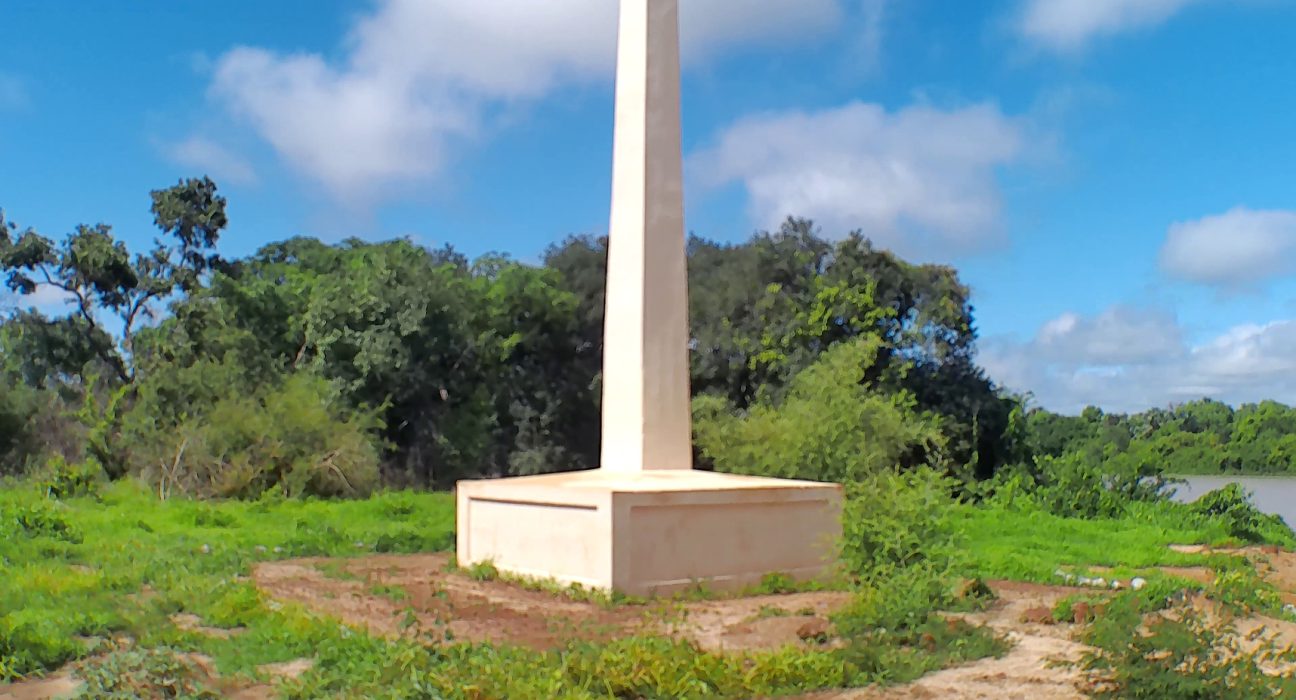
Similarly, major rehabilitation works have transformed the Mungo Park Memorial Obelisk in Sami Karantaba into a more attractive and informative heritage destination.
Funded through the Ministry of Finance’s Development Budget, the facelift includes the installation of running water, modern visitor toilets, benches, a protective fence covering about 300 square metres and the construction of a site museum designed to enrich visitors’ understanding of the area’s historical significance.
The monument commemorates the famous Scottish explorer Mungo Park and symbolises the central role of the River Gambia during the age of European exploration in the 18th century. Today, it stands as one of the country’s most visited inland heritage attractions.
Ceesay noted that the improved facilities have strengthened the site’s role as both a tourism attraction and an educational resource, where students regularly visit to deepen their understanding of Gambian history, culture and the country’s place in global historical events.
“Schools continue to visit these sites because they provide students with practical learning experiences that cannot be gained in the classroom alone. Heritage sites are not only tourist attractions; they are centres of education where young people learn about their identity, history and culture,” he said.
He added that staff stationed at the Mungo Park Memorial Obelisk have also been provided with motorcycles to facilitate effective site management, community outreach and timely delivery of services.
The NCAC Director General stressed that heritage conservation remains a vital component of national development, noting that preserving historical monuments safeguards The Gambia’s collective memory while creating opportunities for tourism growth, research and community participation.
He said both the Kerr Batch Stone Circles and the Mungo Park Memorial Obelisk are among the country’s most important heritage attractions, welcoming thousands of visitors each year, including students on educational excursions, domestic tourists, international visitors, researchers and cultural enthusiasts.
According to him, continued investment in heritage infrastructure demonstrates the Government’s commitment to protecting the nation’s cultural assets while positioning them as drivers of sustainable tourism and local economic development.
He further noted that improved heritage sites contribute significantly to the tourism sector by extending visitor experiences beyond the coastal areas, encouraging domestic tourism and generating economic opportunities for surrounding communities through cultural tourism.
The upgraded facilities are expected to enhance visitor comfort, improve interpretation of the country’s rich history, and strengthen appreciation of The Gambia’s unique cultural heritage for present and future generations.