




Nubian Doluka Dance: Celebrating Heritage, Rhythm and Community
By Yunus S Saliu
Across the historic lands of northeastern Africa, where the River Nile has shaped communities and civilisations for thousands of years, the Nubian people continue to preserve a rich cultural heritage expressed through music, dance, traditional dress and communal celebrations. Among the cultural expressions associated with Nubian life is the Doluka dance, a lively performance that brings together rhythm, movement and the enduring bonds of community.
The Nubians are an ethnic group whose ancestral homeland stretches across parts of present-day southern Egypt and northern Sudan. Known for their distinctive cultural identity, languages, music and traditions, they have maintained a strong connection to their heritage despite generations of social and geographical change.
Traditional dances such as the Doluka offer a glimpse into this cultural world, where movement and music serve purposes beyond entertainment. They provide opportunities for people to celebrate important milestones, express collective joy and maintain connections with traditions handed down from one generation to the next.
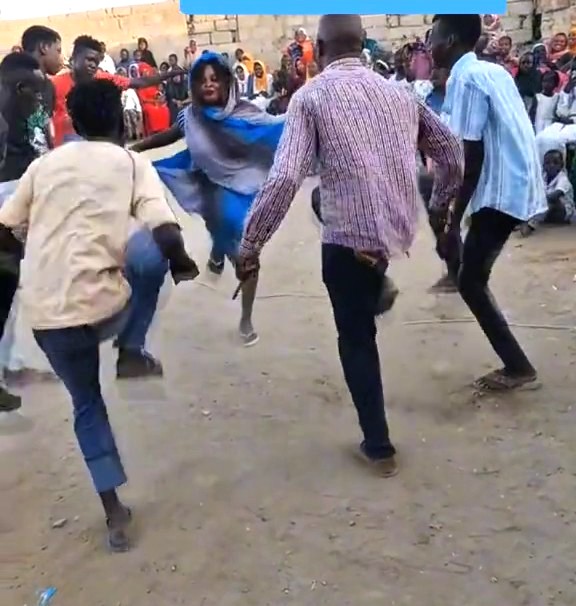
A Dance Alive With Rhythm And Energy
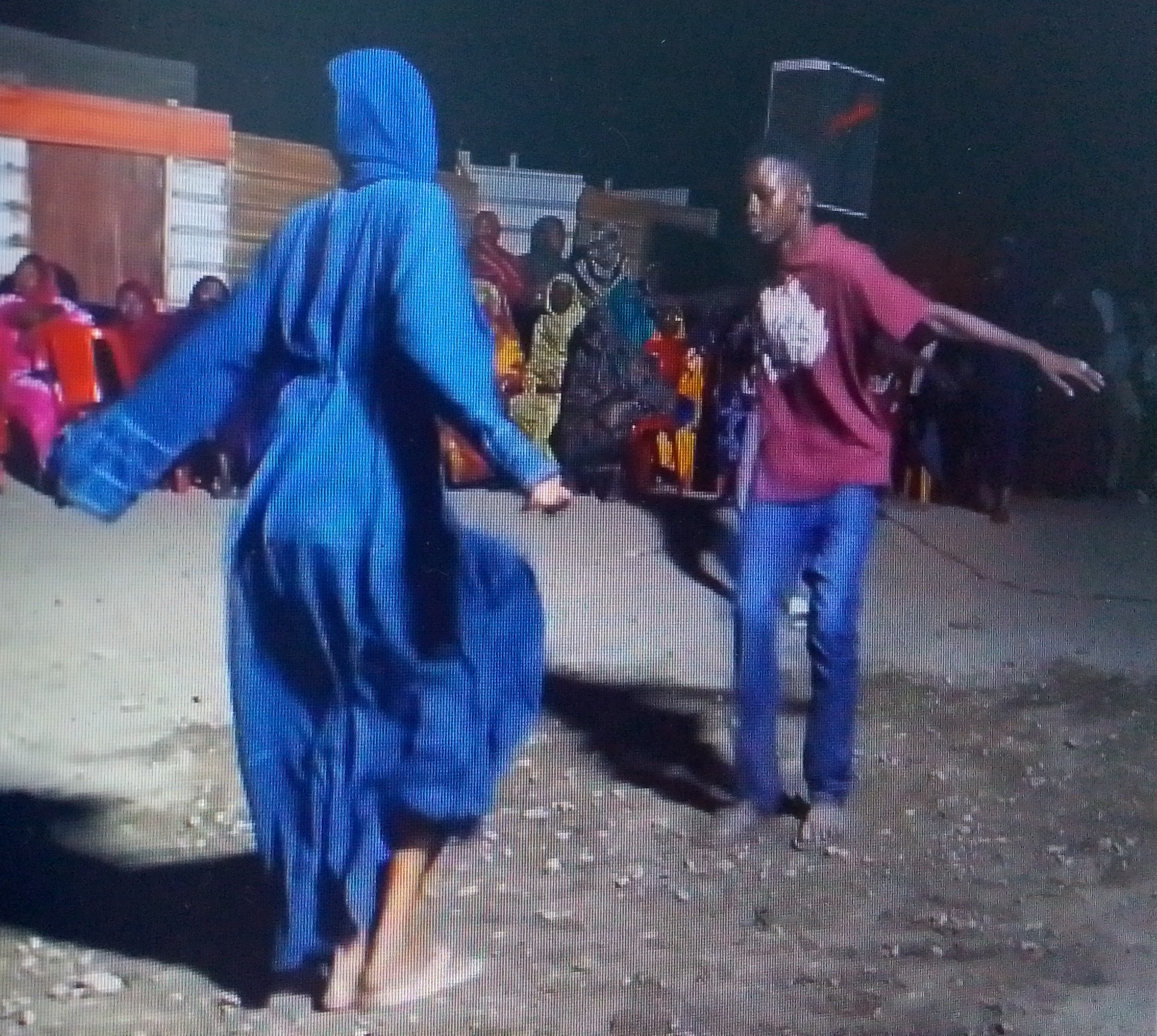
Energetic movements, rhythmic footwork and expressive body gestures characterise the Doluka dance. Dancers move in response to the music, coordinating their steps with the beat to create a performance that combines physical expression with musical rhythm.
Its lively pace gives the dance an engaging quality, drawing attention to the dancers’ movements and the relationship between their bodies and the accompanying percussion. Each step contributes to the collective performance, creating a sense of continuity between the music, the dancers, and the people gathered to watch.
For audiences, the appeal lies not only in the technical movements but also in the atmosphere the performance creates. The rhythm encourages participation, while the dancers’ energy reflects the excitement and togetherness often associated with traditional celebrations.
The Circle As A Symbol of Togetherness
One of the notable features associated with the Doluka is its performance in a circle or semicircle. Within this formation, dancers move in coordination, responding to the rhythm while maintaining a shared sense of movement.
The circular arrangement creates an inclusive atmosphere, bringing performers together within a common space. Rather than presenting dance as an activity confined to individual performers, the formation emphasises collective participation and the relationship between members of the community.
This communal dimension is significant in understanding traditional African dance more broadly. Across many African societies, dance provides a space for people to gather, interact, and celebrate shared identity. Movement becomes a form of communication, connecting individuals through a common rhythm and cultural experience.
When Drums Give Life To Movement
Music is central to traditional dance, and percussion plays a key role in setting the pace of performances at Nubian celebrations.
The beat of the drums provides a rhythmic foundation for the dancers, guiding their steps and helping them maintain coordination. As the rhythm develops, dancers respond through changes in pace, footwork, and body movement, creating an interaction between sound and physical expression.
This relationship between music and movement transforms the performance into a shared cultural experience. The musicians establish the rhythm, the dancers interpret it through their movements, and the audience becomes part of the atmosphere through its attention, encouragement, and participation.
In this setting, music is not simply a background accompaniment. It helps communicate the mood of the occasion, whether the gathering is marked by celebration, family reunion, or another important social event.
A Place in Celebrations And Cultural Life
Traditional dance occupies an important place in many communities because it brings people together during significant moments in life. Nubian celebrations, including weddings and other social gatherings, provide opportunities for music and dance to express happiness, strengthen relationships, and reinforce cultural identity.
The Doluka is associated with this broader tradition of communal celebration. Through shared movement and rhythm, participants create an atmosphere in which cultural knowledge can be experienced rather than merely described.
Such occasions also provide opportunities for younger generations to observe traditional practices and learn about the cultural expressions of their elders. The transmission of dance, music, and customary forms of celebration helps maintain continuity between generations.
In communities where traditions are increasingly influenced by modern lifestyles and changing social conditions, these gatherings can play a valuable role in keeping cultural practices visible and meaningful.
Traditional Dress And Cultural Identity
The visual presentation of a traditional dance is often enhanced by clothing, jewellery and other accessories that reflect the identity of the people performing it.
In Nubian cultural celebrations, colourful garments and decorative accessories can contribute to the festive atmosphere, creating a striking combination of movement, colour and sound. Traditional dress may also communicate cultural pride and a sense of belonging, particularly during occasions that bring together families and communities.
When combined with music and coordinated movement, these visual elements make dance an expression of cultural identity that can be appreciated by both community members and visitors.
For cultural tourists, performances of traditional music and dance can offer an introduction to the history and living traditions of the people whose heritage they encounter. However, their significance extends beyond tourism: these practices remain meaningful primarily through their place in community life and cultural transmission.
Preserving A Living Heritage
The significance of the Doluka dance lies in the wider cultural values that traditional performance can embody: collective participation, continuity, celebration and belonging.
As interest in cultural tourism grows, traditional dances provide opportunities to introduce visitors to the diversity of African cultural heritage. They can enrich the visitor experience by connecting destinations with the people, stories and customs that give them their distinctive character.
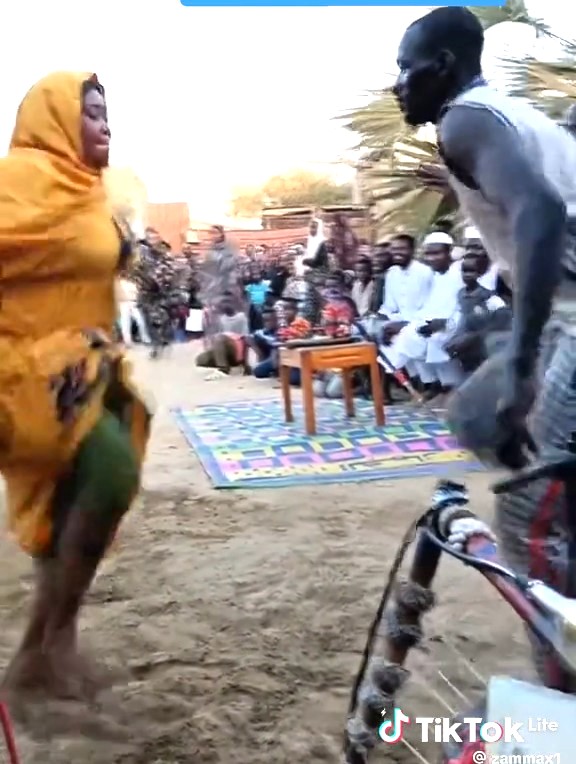
Nevertheless, safeguarding such traditions requires more than presenting them on a stage. It also involves supporting cultural practitioners, encouraging younger people to learn from experienced performers, documenting traditional knowledge and respecting the communities that sustain these practices.
For the Nubian people, cultural expressions such as music and dance form part of a broader heritage that has endured through generations. Their continued practice helps ensure that traditions remain active components of community life rather than becoming memories of the past.
The Doluka dance, viewed within this wider cultural context, represents the power of rhythm and movement to bring people together. Through its expressive steps, communal formations, and musical accompaniment, it offers a window into the importance of celebration and shared identity in Nubian cultural life.

winmexcasino
October 14, 2026As someone who has tried quite a few gaming sites across Latin America, this one truly respects its players. The Mexican peso options make tracking my balance so much easier and the game providers are top tier. I never had to deal with hidden fees or confusing rules. It feels like a home grown project that actually delivers. winmexcasino