



Sami Pachonki Mosque Remains In Its Over 170-Year-Old Architectural Form
By Yunus S Saliu
Sami Pachonki Mosque in Sami Pachonki village, Central River Region, has proven itself as one of the oldest, if not the oldest, mosques in The Gambia that remains in its original architectural form.
Taking part in a guided tour of the mosque on a visit to the community, it was revealed that the mosque’s age, among other mosques in the country, dates back to the 1840s.
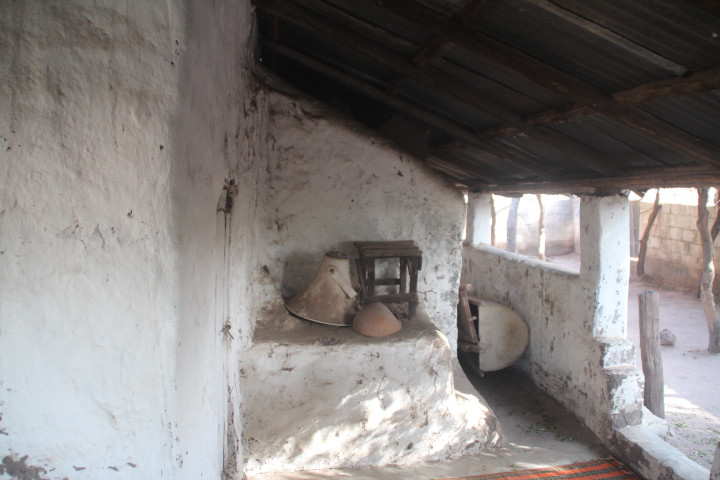
What made it unique was what was discovered in the mosque, they are amazing because the architecture is mud, which shows that the mosque is quite old. Secondly, the pillars both inside and outside supporting the mosque are architectural works. Thirdly, the wood materials for the rafters and the décor are all made from wood and remain until today.
Establishing more facts about the mosque was a historian in the village who is also one of the Oustazs (Islamic teachers) who confirmed that, from the evidence passed on to him by his ancestors, the mosque was consecrated in 1848: “Definitely it was founded in 1840 in Sami Pachonki in Sami District but became used in 1848.”
It is one of the places religious tourists can visit in The Gambia, and looking at the architecture and the fact that it is in use and the functionality also, it could be of interest to ISECO to consider and accept it as among the sites in The Gambia which contribute to Islamic history and Heritage.
However, the concentration of the National Centre for Arts and Culture (NCAC) is not only on Sami Pachonki mosque because it is noted that there are still other mosques of such a nature in the country that could be found in communities or villages like Tobawoli, Sutukoba, and other places in Niumi that are over a hundred years old that could be considered for inclusion in Islamic Heritage Sites.
This mosque meets all requirements that can be listed in ISECO to derive other benefits from the Islamic Scientific Educational Cultural Organization like others.
Among other values, since the mosque was consecrated in 1848 to date, the worshipers in the mosque have been led by fifteen imams, as documented by the community, while the mosque has behind it a graveyard for the past Imams of the mosque and as well as the alkalis (village heads) of the village – a sign that people of this community have respect for their Imams.