




More Than Just Adornment: Exploring The Heritage And Ritual Of Gambian Lip Tattooing
By Yunus S Saliu
In generations past, one of the most iconic markers of feminine beauty and cultural identity was lip tattooing, a tradition that placed women in the spotlight and drew endless admiration from men. In many communities, it was more than body art; it was a symbol of grace, strength, and belonging.
There is no better way to describe a woman adorned with a lip tattoo than to highlight the unique way it accentuates her beauty. Her lips became a canvas, boldly announcing her transformation, needing no soothsayer to affirm her appeal.
A Cultural Tradition
In The Gambia, long before modern tattoo trends took hold, lip tattooing was widely practiced, especially among the Serer, Wolof, and Fula ethnic groups. It was considered a form of permanent make-up, a beautification ritual reserved for women, and a rite of passage performed during adolescence.
The ceremony typically took place during the dry season. It was both a personal and communal affair, where enduring the pain became a public testament to a young woman’s strength.
The Process
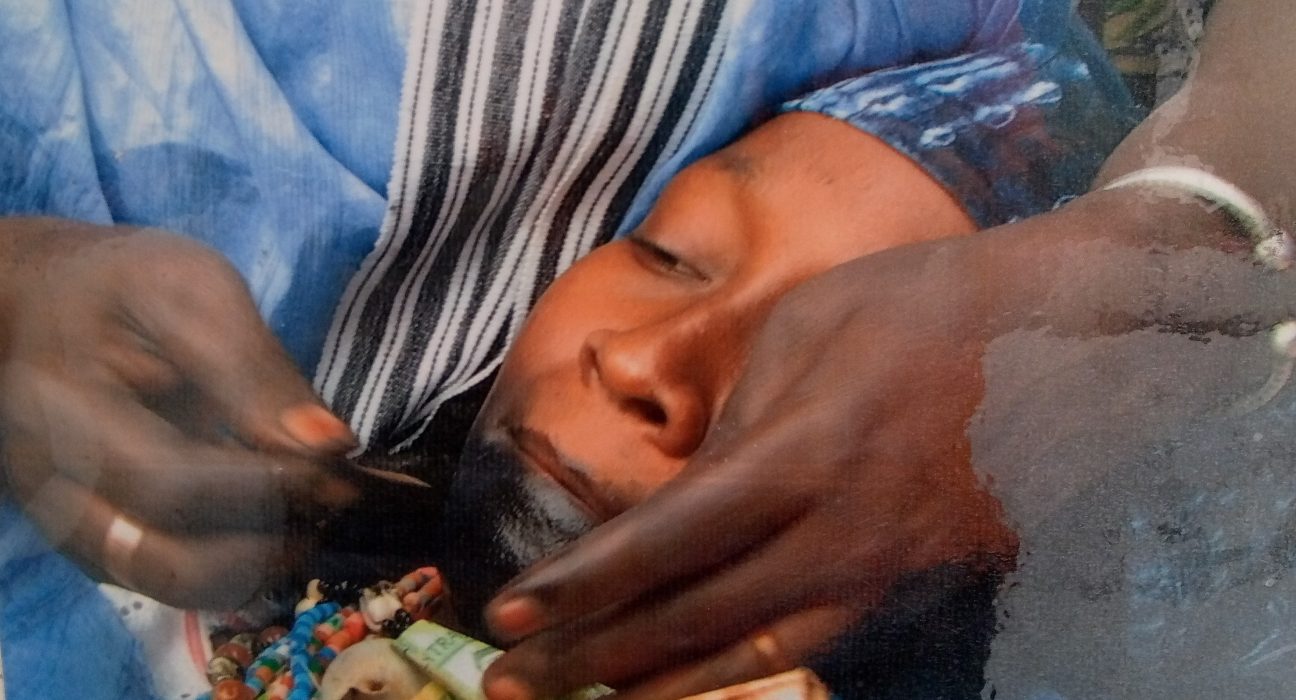
The procedure involved the girl lying on her back, her head resting on the lap of the tattooist. A dye made from black soot and a small bundle of thorns or needles served as the tools. A close friend sat beside her, patting her chest to give her courage, as any attempt to move or scratch herself could be seen as cowardice, a sign of “running away.”
The ritual was accompanied by singing and drumming, with women providing rhythm using a water-filled tin basin, although on some occasions, a male drummer was invited. The session could last for hours, often resulting in swollen lips. The girl would then rely on soft foods and liquids for several days while healing.
In some cases, gum tattooing was performed earlier in life and was considered less painful.
More Than Beauty: A Statement of Identity
While the artistry of traditional lip tattooing is steeped in history, its significance transcends beauty. Like modern tattoos in the West, traditional tattoos carry personal meanings, telling stories, preserving memories, representing beliefs, and reinforcing cultural identity.
Nowadays, tattoos, whether on lips, foreheads, or other parts of the body, reflect individuality and personal expression. For many women, they are acts of self-empowerment and transformation, reclaiming beauty on their own terms.
The Artist’s Craft
The beauty of tattooing also lies in the skill and creativity of the tattooist. Whether traditional or modern, the artistry involved in creating meaningful designs speaks volumes about cultural pride and aesthetic mastery.
Tattoos as Cultural Signifiers
Beyond personal expression, tattoos, both local and global, have deep roots in communities, clans, and subcultures. They serve as markers of identity, history, and belonging. They can connect individuals to their heritage, beliefs, and social circles, offering a powerful sense of unity and pride.