


Resilience And Rebirth: The Role Of Kañeleng Women In Gambian Society
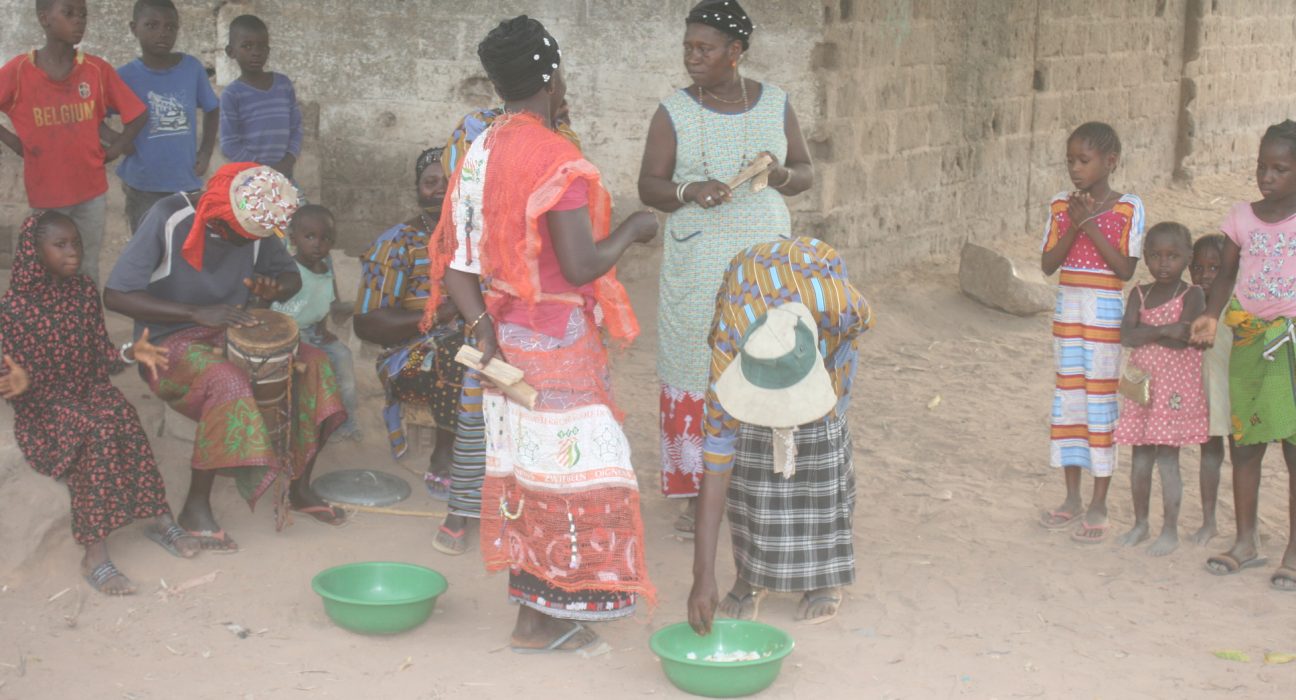
The Kañeleng is a group of women in Gambian society who, despite facing social exclusion, play a vital role in the social fabric of the community. Kañeleng refers to women who are unable to bear children, experience infertility, or have lost their children at a young age. These women, who endure the pain of infertility or the loss of their children, use rituals and traditional songs to navigate their lives, helping them cope with or rise above the social challenges they face, particularly the stigma associated with their condition or the early loss of their children.
The Kañeleng group is crucial in Gambian society as they serve as an important tool for raising awareness. Through their drama and songs, they engage with the community, spread important messages, and offer support to one another. This creative expression not only helps them heal but also enables them to earn a living while contributing significantly to social cohesion.
Tribulation of Kañeleng Women In Society
Narrating the role of Kañeleng women in society to rectify some cultural misrepresentation, in brief, the Curator of 1802 Lab Juffureh noted that some situations Kañeleng women facing in society included social stigma and marginalization. They are often mistreated and pushed to the margins of womanhood due to their inability to bear children. They face social exclusion, and in some cases, are accused of having “bad spirits” or being witches. Patriarchal norms place high importance on childbearing, making infertility a cause for divorce or polygyny.
Role of Rituals To Kañeleng Women
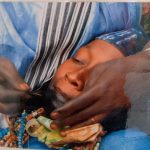
The Rituals help Kañeleng women construct a place and identity for themselves in society while they perform ceremonies that are believed to transform a childless woman into a fertile one. These rituals also serve as a form of social empowerment, allowing them to reclaim some agency over their lives.
Coping Strategies and Support Networks
Kañeleng women group form associations where they support each other emotionally and socially. Their rituals and songs reflect their struggles, highlighting societal injustices against childless women. Also, they use sacred spaces and rituals to contest societal norms and create solidarity among themselves.
Intersection of Spirituality and Medicine
Many Kañeleng women seek spiritual solutions from marabouts (Islamic clerics) and traditional healers. There is a strong belief in supernatural forces, with some attributing infertility to spiritual causes, and some also turn to hospitals and clinics, though traditional methods remain more popular due to affordability and accessibility.
The Power of Songs And Oral Traditions
Songs play a crucial role in expressing the pain and experiences of childlessness. These songs also function as a way to critique society and demand change in how childless women are treated.
Significance of Kañeleng
However, Kañeleng women are not just victims of their circumstances but active agents who find ways to navigate societal expectations. Their rituals, associations, and songs serve as both coping mechanisms and tools for resistance against marginalization.